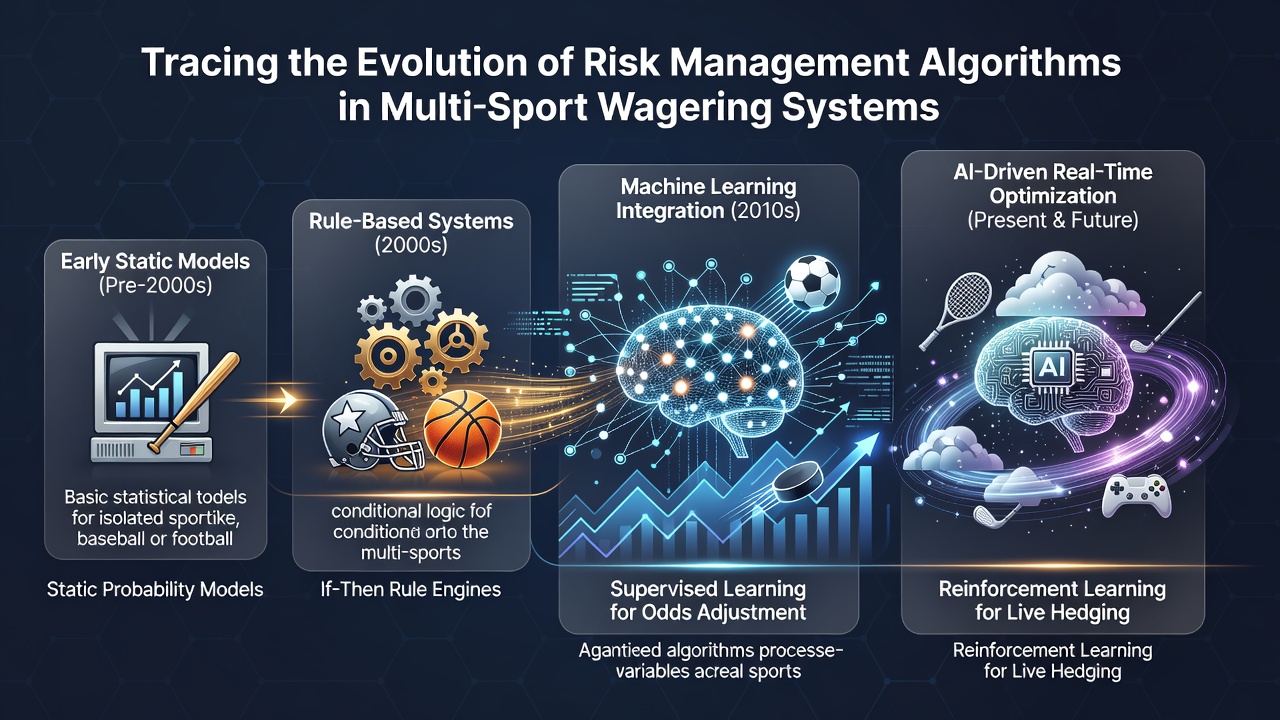
Tracing the Evolution of Risk Management Algorithms in Multi-Sport Wagering Systems
Risk management algorithms in multi-sport wagering systems have developed through decades of technological shifts and expanding market demands. Bookmakers once relied on manual calculations to balance liabilities across events yet the introduction of digital tools transformed how operators assessed exposure in real time. Data from multiple sports including football basketball and tennis began flowing into centralized platforms where early programs flagged imbalances before they escalated into major losses.Initial Steps Toward Automated Oversight
Operators in the 1980s started experimenting with basic spreadsheets that tracked wagers on individual contests while cross-referencing totals from separate leagues. These rudimentary systems highlighted correlations such as overlapping player injuries or weather impacts that could affect multiple outcomes simultaneously. Researchers at several academic institutions documented how these early models reduced manual errors by processing larger volumes of bets than human clerks could manage alone.
By the mid-1990s sportsbooks adopted server-based applications that updated odds across events as new information arrived. These programs incorporated simple statistical rules drawn from historical results yet they struggled when bettors placed wagers on correlated markets like same-day baseball and basketball games. Figures from regulatory filings reveal that platforms handling multi-sport inventories experienced faster liability swings than single-sport operations during this period.
Expansion With Online Platforms
The rise of internet-based wagering in the early 2000s pushed developers to build algorithms capable of monitoring live odds adjustments across dozens of sports at once. These systems used rule-based engines that recalculated maximum exposure limits whenever volume spiked in one market and influenced pricing elsewhere. Operators discovered that integrating data feeds from various leagues required standardized APIs to avoid discrepancies in risk calculations during peak betting windows.
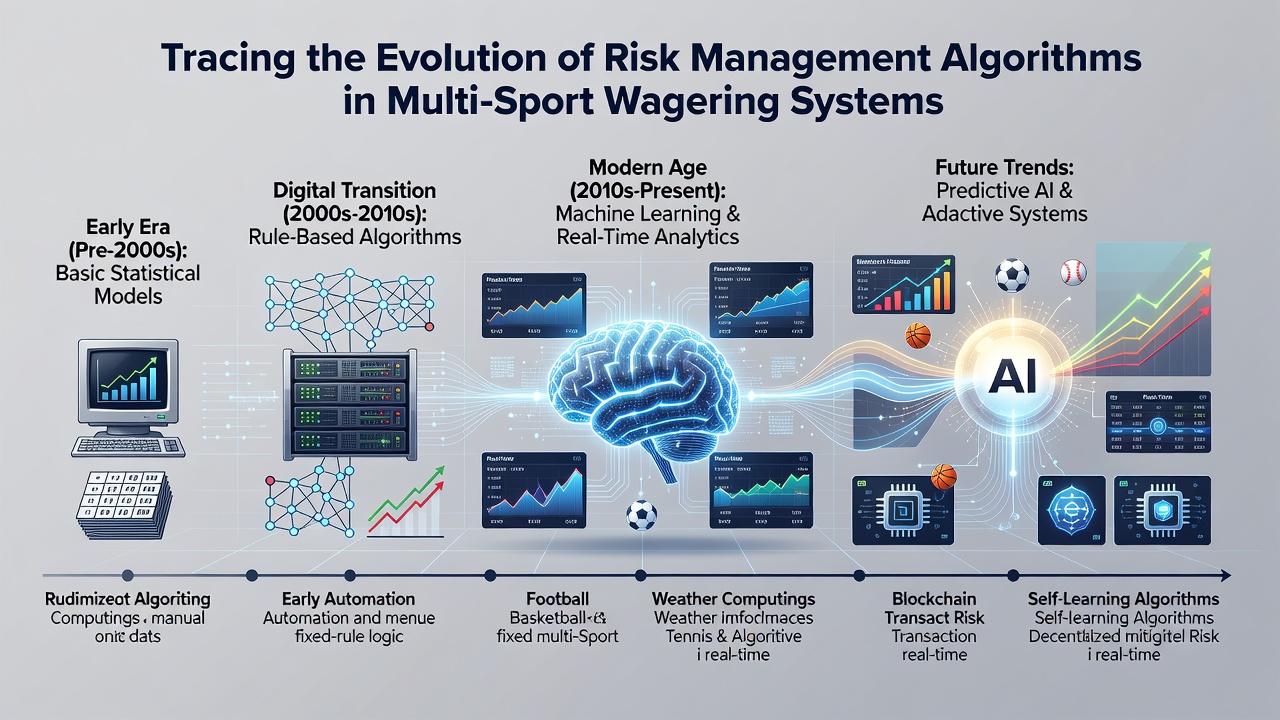
One notable advancement occurred when firms began layering machine learning components onto existing frameworks around 2010. These additions analyzed patterns in bettor behavior across sports rather than treating each contest in isolation. Studies conducted by university teams showed improved accuracy in predicting sharp action that could unbalance books when combined with recreational wagering volume.
Integration of Advanced Modeling Techniques
Contemporary algorithms employ ensemble methods that combine historical performance metrics with real-time inputs from wearable sensors and injury reports. Such models adjust hold percentages dynamically while accounting for cross-sport effects like momentum shifts following major tournaments. Data indicates that platforms serving global audiences achieved tighter risk controls after deploying these layered approaches compared with earlier generations of software.
Regulatory developments have also shaped algorithm design. In July 2026 the Nevada Gaming Control Board released updated guidelines requiring enhanced transparency in how multi-sport systems flag potential manipulation across linked events. Nevada Gaming Control Board reports detail how operators must now document decision trees used in liability assessments to maintain licensing compliance.
Current Capabilities and Data Synchronization
Today's risk engines process terabytes of information daily from sources spanning professional leagues collegiate competitions and international tournaments. They identify arbitrage opportunities that arise when odds diverge across sportsbooks while simultaneously calculating portfolio-level exposure. Those who have examined these platforms note that synchronization challenges persist particularly when latency differences appear between data providers for endurance events versus team sports.
Additional layers incorporate natural language processing to scan news feeds and social signals that might precede betting surges in specific markets. Evidence from industry analyses suggests these enhancements have lowered the frequency of large-scale payouts triggered by unforeseen correlations between unrelated contests. Alberta Gaming Liquor and Cannabis reports further illustrate regional variations in how such systems adapt to local regulatory requirements while maintaining multi-jurisdictional operations.
Conclusion
The progression from manual ledgers to sophisticated algorithmic frameworks reflects broader changes in technology and market scale. Multi-sport wagering continues to demand systems that balance speed accuracy and regulatory adherence as operators expand their offerings. Ongoing refinements in predictive modeling and data integration point toward further evolution in how risk gets quantified across diverse betting environments.