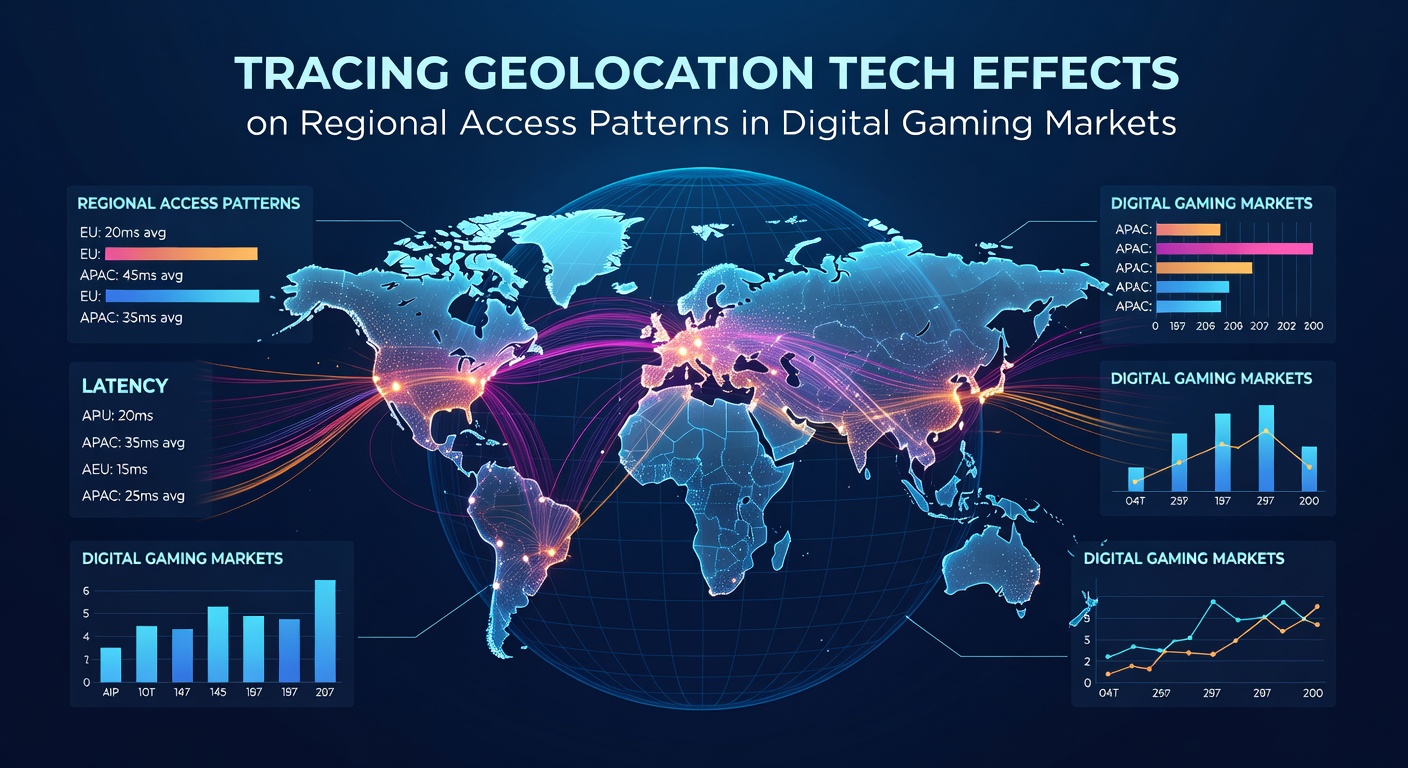
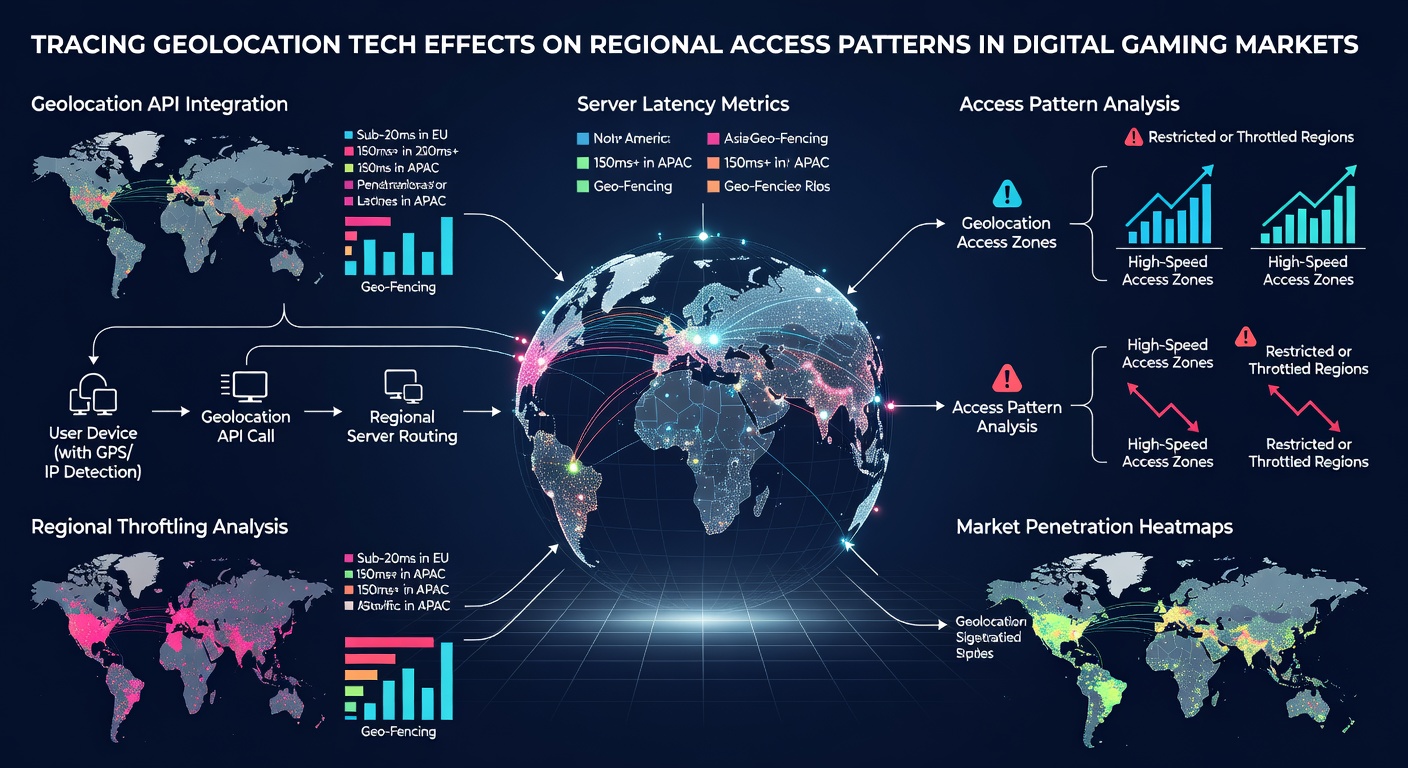
Tracing Geolocation Tech Effects on Regional Access Patterns in Digital Gaming Markets
Geolocation technology continues to define access boundaries in digital gaming markets, and by May 2026 these systems have become more precise as developers integrate IP mapping with device sensors to enforce regional licensing agreements. Platforms detect player locations through a combination of IP address analysis, GPS data on mobile devices, and Wi-Fi triangulation, which allows companies to route users to approved servers or block content that violates territorial rights. This approach creates distinct access patterns where gamers in one country encounter full libraries while those in neighboring regions face locked titles or altered features.
Mechanics Behind Location-Based Restrictions
Digital game distributors rely on geolocation to honor licensing deals that split rights across continents, and this practice leads to fragmented catalogs that shift based on where a connection originates. When a player attempts to download or launch a title, the system checks coordinates against a database of approved zones before granting entry, which results in automatic redirects or error messages for unauthorized attempts. Researchers have documented how these checks occur in milliseconds yet produce lasting effects on which markets receive updates first or gain early access to expansions.
Server selection also depends on geolocation data to reduce latency, and developers often pair this with access controls so that European players connect to regional hubs while Asian users receive separate matchmaking pools. The result appears in performance metrics that vary sharply by geography, with some areas benefiting from optimized connections while others experience throttled features due to compliance requirements. Industry reports indicate that such dual-purpose systems have expanded since 2024 as cross-border data regulations tightened.
Shifts in Player Behavior and Market Reach
Gamers frequently adapt to these restrictions by testing different network configurations, and data collected through platform analytics shows increased use of virtual private networks in regions with heavier content locks. This workaround alters apparent access patterns because traffic gets rerouted through approved jurisdictions, which in turn affects how developers measure genuine regional demand. Observers note that title popularity rankings can fluctuate when large groups bypass standard location filters, leading to skewed sales figures that companies later correct through refined detection methods.
Payment processing adds another layer because geolocation verifies billing addresses against account origins, and mismatches trigger additional verification steps that delay or prevent purchases. In May 2026 several major storefronts updated their protocols to cross-reference multiple signals simultaneously, reducing successful circumvention rates according to internal metrics shared at industry conferences. Those adjustments have produced clearer pictures of organic access trends across North America, Europe, and parts of the Asia-Pacific region.
Regulatory Influences on Technology Deployment
Government policies shape how aggressively platforms apply geolocation tools, and the European Commission has published guidelines on digital market access that encourage transparency around location-based limitations. These directives have prompted gaming companies to publish clearer explanations of why certain titles remain unavailable in specific member states, which helps users understand the boundaries without needing external tools. Compliance teams now log location decisions more thoroughly to demonstrate adherence during audits.
Meanwhile, regulators in Australia have examined similar issues through their communications authority, focusing on how geolocation intersects with content classification systems. Findings from those reviews highlight that automatic region detection sometimes overrides local rating adjustments, creating situations where mature-rated games become inaccessible even when age-appropriate alternatives exist. Companies have responded by adding manual override options for verified accounts in select territories.
Case Examples from Recent Platform Updates
One major console manufacturer adjusted its geolocation filters in early 2026 after reports showed uneven access to downloadable content packs across South American markets. The change involved finer-grained mapping that distinguished between urban centers with strong connectivity and rural zones where previous systems had over-blocked legitimate users. Subsequent data releases revealed a measurable uptick in regional engagement following the update.
Independent studios have shared parallel experiences where geolocation enforcement affected early access programs, and one project tracked participation rates before and after implementing location-aware queues. Results indicated that players in previously restricted countries joined at higher volumes once the platform recognized legitimate travel or temporary relocation signals. These adjustments demonstrate how small technical refinements can reshape participation curves without altering core game design.
Future Trajectories for Access Mapping
Emerging standards in device authentication may reduce reliance on traditional IP checks as gaming hardware incorporates hardware-level location tokens. Developers testing these approaches report fewer false positives when determining whether a connection originates from an approved region. Academic studies from institutions tracking digital trade patterns suggest that continued refinement could stabilize access metrics across borders while still respecting licensing divisions.
Collaboration between platforms and regional authorities continues to evolve, and joint working groups have begun outlining best practices for balancing technical accuracy with user mobility. As May 2026 progresses, analysts expect further announcements detailing how next-generation detection methods will handle edge cases such as international tournaments or cross-border cloud gaming sessions.
Conclusion
Geolocation technology has established predictable yet evolving access patterns throughout digital gaming markets, and its influence extends from initial login procedures to ongoing content delivery decisions. By integrating multiple verification layers and responding to regulatory guidance, platforms maintain territorial compliance while adapting to shifting player locations. The patterns observed through May 2026 reflect a balance between technical capability and legal obligation that continues to define participation across regions.