
Siena Survey Uncovers Jump in Active Online Sports Betting Accounts to 27% of Americans
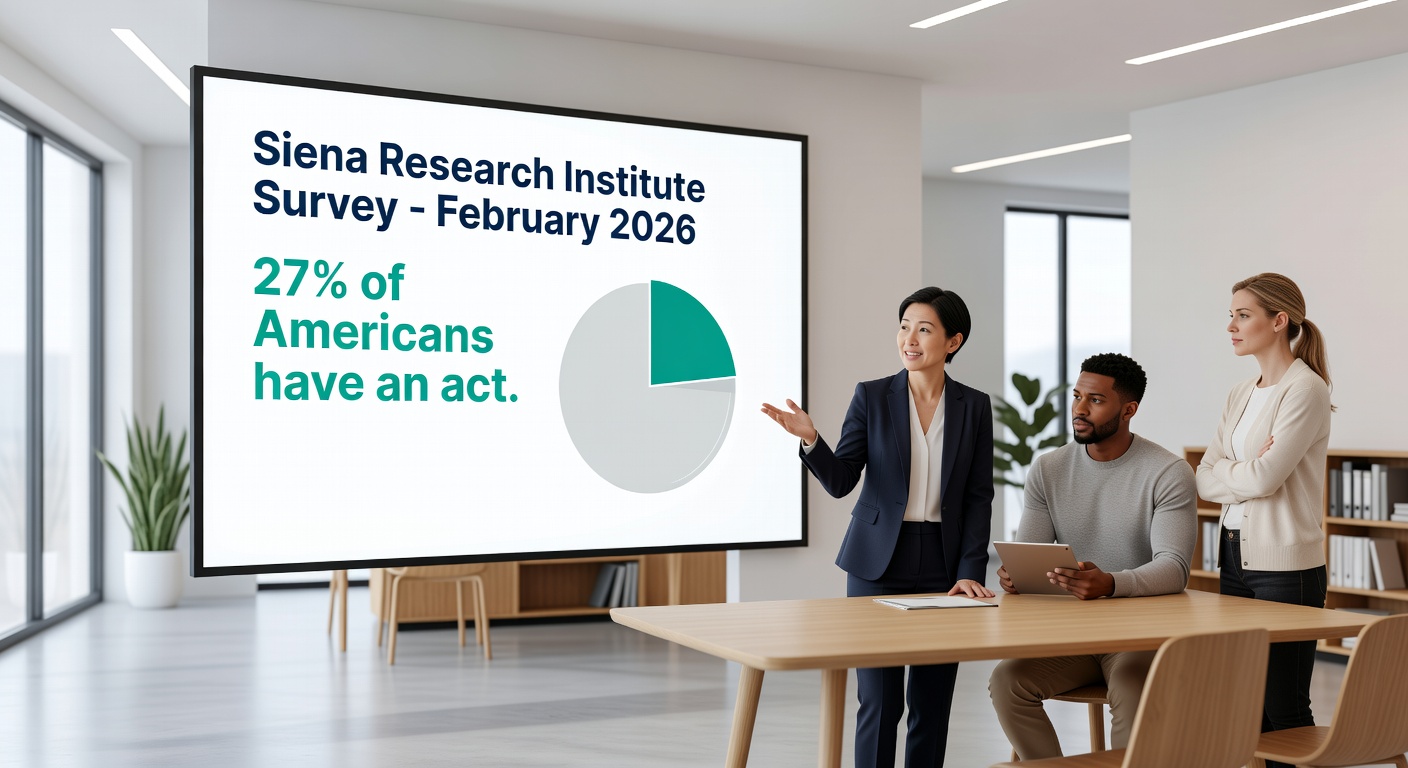
A recent survey by the Siena Research Institute, conducted in February 2026 and released this month in April, reveals that 27% of Americans now maintain an active online sports betting account, a notable uptick from the 22% recorded in 2025; meanwhile, a broader 33% report having opened such an account at least once in their lives, underscoring how participation in this activity continues to expand across the population.
Experts who track gambling trends point out that these figures, drawn from a representative sample of American adults, highlight not just growth in account ownership but also patterns of engagement that carry potential risks, especially as active bettors disclose behaviors like chasing losses or placing substantial wagers in short bursts.
Breakdown of Account Ownership Trends
Data from the Siena Research Institute's American Sport Fanship Survey shows a clear year-over-year increase, with active online sports betting accounts climbing from 22% in 2025 to 27% this year; that's five percentage points more people keeping their betting apps or sites in regular use, while the lifetime figure of 33%—those who've signed up even if they've since gone dormant—suggests an even wider reach into everyday American life.
What's interesting here is how these numbers reflect broader legalization efforts paying off in terms of user adoption, since states continue to roll out sports betting options post the 2018 Supreme Court decision that opened the floodgates; observers note that online platforms, with their seamless mobile access, have driven much of this surge, making it easier for anyone with a smartphone to place a bet during a game or even before it starts.
And yet, the distinction between active users at 27% and ever-users at 33% paints a picture of some attrition along the way, where people open accounts out of curiosity—perhaps during a big event like the Super Bowl or March Madness—but don't stick around; researchers emphasize that this gap, though small, hints at the realities of retention in a competitive market flooded with promotions and bonuses.
Behaviors That Raise Eyebrows Among Active Bettors
Among those 27% with active accounts, the survey uncovers habits that experts flag as indicators of deeper involvement: 60% admit to "chasing" losses, a term that describes the common practice of placing additional bets to recover money lost earlier, often leading to escalated spending in a single session.
Turns out, 63% of active bettors have wagered $100 or more in one day at some point, a threshold that financial watchdogs consider significant because it can quickly add up, especially when strung together over weekends or during playoff seasons; picture someone dropping that amount on multiple games, chasing parlays or props, and suddenly a casual hobby edges toward something more intense.
Even more telling, 31% report facing concerns from family members, friends, or colleagues about their betting habits—conversations that might start with a casual "Hey, you good?" but signal external worries about control or impact on daily life; these disclosures come straight from respondents, offering a window into how betting intersects with personal relationships.
Chasing Losses: What the Data Reveals
That 60% chasing losses figure stands out because studies in behavioral psychology link it directly to the gambler's fallacy, where bettors believe a win is "due" after a string of defeats, prompting riskier plays; Siena's poll captures this in real time among Americans, many of whom engage via apps that nudge users with odds boosts or loss rebates, potentially fueling the cycle.
People who've analyzed similar data often find that chasing correlates with higher overall spend, turning what starts as fun into a pursuit that overrides budgets; here, with nearly two-thirds of active users hitting $100 daily bets, the overlap becomes clear, as those chasing tend to ramp up stakes to recoup faster.
Daily Wagering Thresholds and Social Feedback
The 63% who’ve bet $100+ in a day include a mix of recreational players and heavier users, but the stat alone illustrates scale—multiply that by frequent occurrences, and annual expenditures climb into thousands for some; concurrently, the 31% hearing concerns from others acts as a social barometer, where loved ones spot signs like secretive phone use or mood swings tied to game outcomes.
But here's the thing: these percentages don't exist in isolation, since active bettors represent 27% of all Americans, meaning roughly one in four adults navigates these patterns, while the concerns touch even more through personal networks.
Context Within the Evolving Sports Betting Landscape
Released on April 13, 2026, this Siena survey lands amid a busy spring sports calendar—think NBA playoffs ramping up, NHL Stanley Cup chase, and MLB in full swing—periods when betting volumes spike naturally; researchers conducting the February poll captured data before these peaks, yet the trends already point to sustained growth, building on 2025's foundation.
Take one case from past surveys: similar polls in prior years showed steady climbs in participation post-legalization, but this year's jump to 27% active accounts accelerates the pace, coinciding with more states launching online options and operators vying for market share through aggressive marketing; that's where the rubber meets the road for user behaviors, as promotions lower barriers to entry while encouraging deeper play.
Observers who've followed the beat note how mobile betting dominates, with apps handling over 80% of wagers in legalized markets (per industry trackers), which aligns perfectly with Siena's online-focused metrics; and although the survey doesn't break out demographics, the national scope implies broad appeal across ages, incomes, and regions where access exists.
So, as April 2026 unfolds with fresh odds boards lighting up screens nationwide, these figures remind stakeholders—from regulators to operators—that expansion brings responsibilities, particularly around the 60% chasing losses or 31% drawing external flags.
Year-Over-Year Shifts in Sharp Focus
Comparing 2025's 22% active to 2026's 27% reveals a 23% relative increase (five points absolute), a trajectory that mirrors handle growth reported by leagues and states; meanwhile, lifetime accounts at 33% suggest the pool of potential actives remains fertile, as dormant users might reactivate with the right incentive or event.
It's noteworthy that these behaviors—chasing at 60%, big daily bets at 63%, concerns at 31%—cluster among actives, indicating that once engaged, patterns solidify quickly; experts poring over the raw data often highlight how such stats inform policy, like mandatory responsible gaming tools or spend limits now standard on major platforms.
Implications Drawn from the Survey Data
The Siena findings prompt discussions on harm reduction, since 60% chasing losses pairs with 63% high-single-day bets to sketch a profile of intensified play; add the 31% social concerns, and patterns emerge that public health advocates monitor closely, advocating for education campaigns tied to these exact metrics.
Yet, participation growth to 27% active also fuels economic impacts—tax revenues from betting hit billions annually across states—balancing the narrative between opportunity and oversight; those studying the sector know that surveys like this one, refreshed yearly, serve as benchmarks for both celebration of market maturity and calls for vigilance.
Now, with the data fresh in April 2026, operators respond by touting self-exclusion options and reality checks, directly addressing the chasing and concern stats; researchers anticipate follow-ups will track if interventions bend these curves, especially as new users enter via summer leagues or fall football.
Conclusion
Siena Research Institute's February 2026 survey lays bare the current state: 27% of Americans hold active online sports betting accounts, up from 22% last year, with 33% having tried it once; among actives, 60% chase losses, 63% bet $100+ daily at times, and 31% field habit worries from others—facts that capture both the boom and the built-in risks.
As betting embeds further into sports culture, these numbers guide the conversation forward, ensuring growth tempers with safeguards; the ball's in the court of policymakers, platforms, and players alike to navigate what's ahead.