
Prediction Markets Grab Bigger Slice of US Betting Activity During World Cup
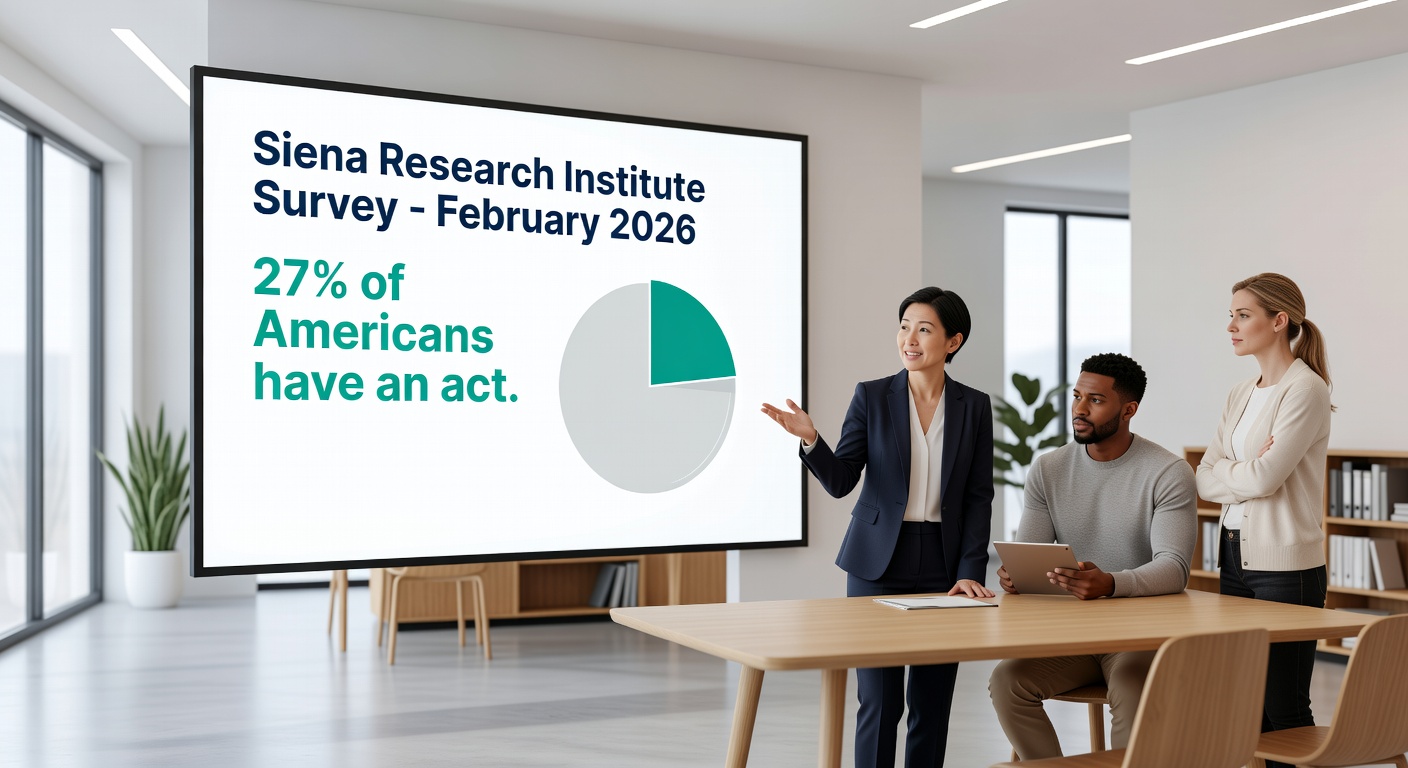
Data from the ongoing World Cup period shows prediction-market trading climbed to an estimated 27 percent of all legal US sports-betting volume, up sharply from the 9 percent recorded at the start of the year, while traditional sportsbooks saw slower relative growth in the same window. Figures reveal that platforms operating under CFTC oversight captured this expanded share because traders shifted focus toward event contracts tied directly to match outcomes and tournament progress. Those who track daily activity note that the increase coincided with heightened public attention on the tournament schedule, creating steady order flow across multiple contract types.
Volume Shifts and Market Share Changes
Estimates based on public tournament data from the first month indicate that prediction markets processed a larger proportion of overall handle than at any prior point in 2026, outpacing the growth rate recorded by state-licensed sportsbooks during the same stretch. Observers point out that the jump occurred even though overall sports-betting totals remained subject to seasonal patterns, because participants concentrated wagers on binary and multi-outcome contracts rather than traditional point spreads or moneylines. This pattern produced measurable volume gains for the prediction platforms while the broader market experienced more modest expansion.
Analysts who reviewed the numbers found that the 27 percent figure emerged from a combination of new account openings and higher average trade sizes per user, with many contracts resolving within hours of match conclusions. The data further shows that daily turnover on these platforms exceeded prior benchmarks set during earlier international tournaments, establishing a new baseline for CFTC-regulated products. Because resolution occurs through official match results, traders avoided the ambiguity sometimes associated with adjusted lines at other venues.
Kalshi Activity and User Metrics
Kalshi recorded higher daily active app users than DraftKings or FanDuel throughout the tournament window, according to internal platform comparisons released during the period. The company deployed targeted advertising that placed its branding in broadcast coverage and digital streams, increasing visibility among viewers who might otherwise default to conventional sportsbooks. Those who monitored app rankings observed that Kalshi climbed several positions in download charts within the first two weeks of group-stage matches, reflecting broader interest in contracts that settled on specific game events such as goals scored or cards issued.
Marketing materials emphasized the regulatory status of the platform and the direct connection between contract prices and real-world probabilities, which resonated with users seeking transparent pricing. The resulting user growth translated into sustained order flow even on days when fewer matches occurred, because secondary contracts on team advancement remained active. Platform operators reported that average session length increased compared with pre-tournament baselines, indicating that participants stayed engaged across multiple resolution cycles within a single day.
Regulatory Context and Competitive Landscape
Prediction markets regulated by the CFTC operate under a different framework from state-licensed sportsbooks, allowing nationwide access in many cases while sportsbooks remain restricted by individual state approvals. This distinction became more pronounced during the World Cup because traders could participate from locations where sportsbooks had not yet launched or faced operational limits. Data compiled during the tournament period shows that the regulatory split contributed to the measured shift in volume allocation, as participants moved portions of their activity to the prediction platforms for specific event contracts.
Traditional operators continued to handle the majority of overall volume, yet the proportional gain for prediction markets highlighted an emerging competitive pressure. Reports indicate that several state regulators began reviewing how the two categories interact when the same user base engages both systems during high-profile events. The CFTC framework requires clear contract specifications and settlement procedures, which some traders cited as a factor in their platform selection during the busy schedule.
Implications for Market Participants
Those who follow the sector note that the World Cup surge established a reference point for future international tournaments, because the volume share reached levels not previously observed in regular-season sports. Platform operators on both sides of the regulatory divide adjusted promotional strategies in response, with prediction markets emphasizing contract variety and sportsbooks highlighting integrated live betting features. The resulting environment produced more choices for participants while regulatory bodies collected additional data on cross-platform usage patterns.
Trading records from the period further reveal that certain contract categories, particularly those tied to match totals and advancement stages, accounted for a disproportionate share of the prediction-market increase. This concentration helped sustain liquidity even as the tournament progressed into later rounds. Market makers reported tighter spreads on popular contracts, reflecting higher participation and more frequent price discovery throughout each match day.
Conclusion
The documented rise in prediction-market activity during the World Cup illustrates how different regulatory structures can influence volume distribution within the broader US betting ecosystem. The 27 percent share achieved by mid-tournament, combined with elevated user metrics at platforms such as Kalshi, provides a clear snapshot of shifting participant preferences under current rules. Continued monitoring of these trends will depend on subsequent events and any adjustments made by regulators overseeing both categories of activity.