Payment Method Preferences and Their Impact on Retention Across Interstate Betting Platforms
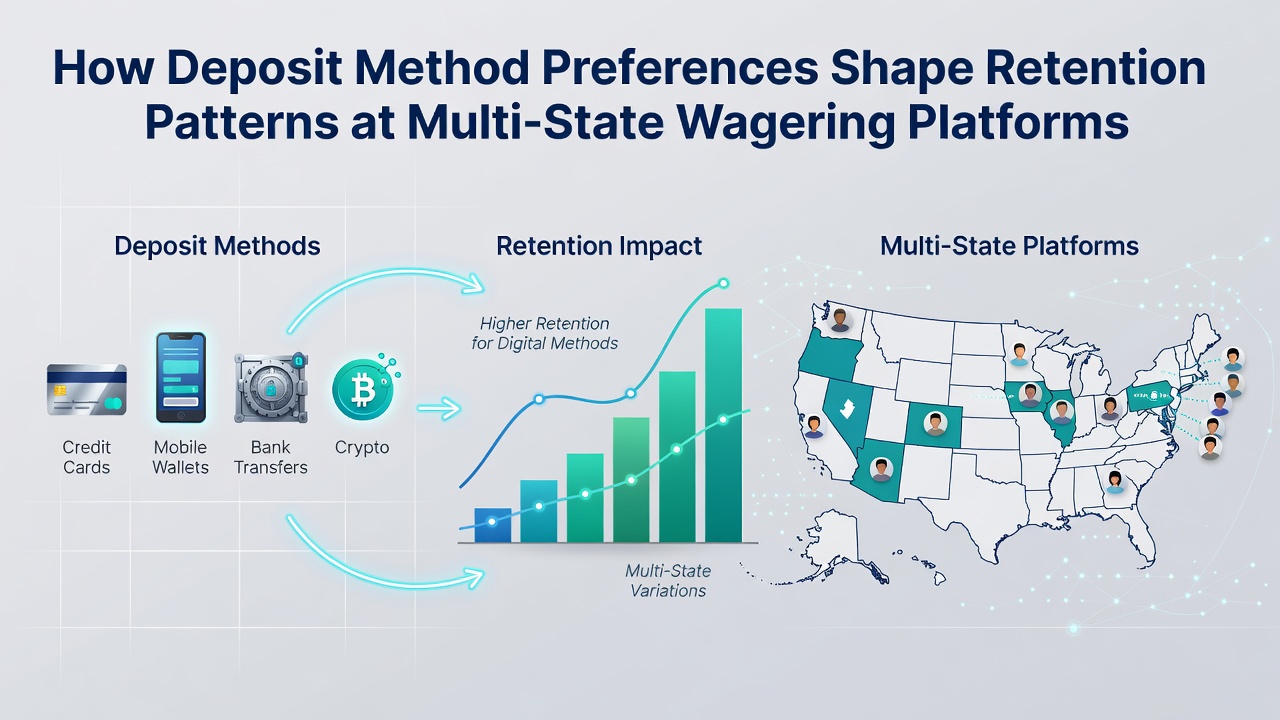
Multi-state wagering platforms operate under varying state regulations that influence how users fund their accounts, and payment method preferences play a direct role in shaping retention patterns over time. Data from regulatory filings shows that platforms accepting a wider range of deposit options, including e-wallets and instant bank transfers, maintain higher active user rates compared to those limited to traditional credit card processing alone.
Common Deposit Methods in Multi-State Markets
Users across states like New Jersey, Pennsylvania, and Michigan select from credit and debit cards, e-wallets such as PayPal and Venmo, ACH bank transfers, and in some cases cryptocurrency options where permitted by local rules. Research from industry reports indicates that e-wallet transactions complete in under 30 seconds on average, while ACH transfers often require one to three business days for full settlement. These time differences affect initial user engagement, since quicker access to funds correlates with higher rates of first-week return visits according to aggregated platform analytics.
Retention Patterns Linked to Funding Speed
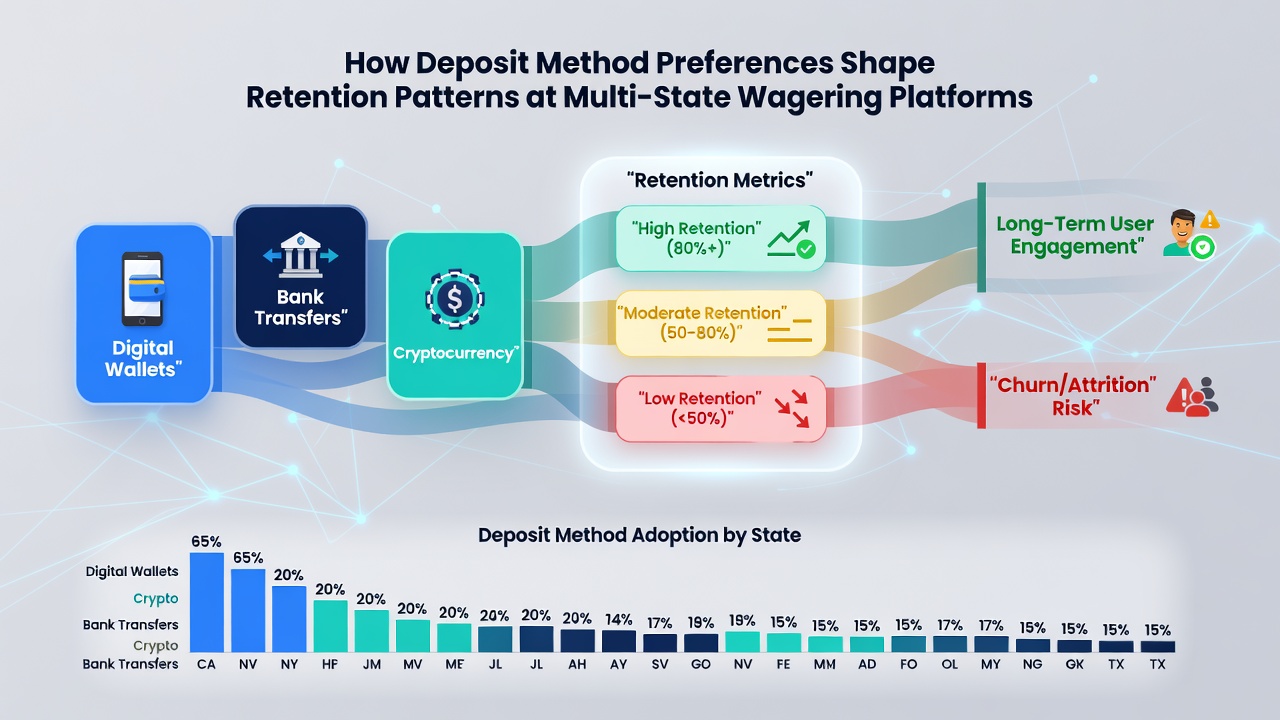
Platforms that prioritize instant deposit methods report stronger month-over-month retention figures, with data showing users who deposit via e-wallets returning at rates 12 to 18 percent higher than those relying on card-only options. One analysis of multi-state operators found that delays in funding led to account abandonment within the first 48 hours, particularly among users in states with competitive markets where switching between apps takes minimal effort. Observers note that seamless integration between deposit tools and in-app betting interfaces reduces friction, keeping players engaged through ongoing promotions and live event opportunities.
Regional Variations and Regulatory Influences
State-specific rules shape available payment methods, with some jurisdictions restricting cryptocurrency while others allow it under strict licensing. Figures from the New Jersey Division of Gaming Enforcement reveal that platforms offering ACH alongside cards saw deposit volumes rise steadily through the first half of 2026, whereas those without instant options experienced slower account funding cycles. In August 2026, operators expanded e-wallet partnerships in response to user feedback collected through in-app surveys, and early metrics suggest these changes stabilized retention during periods of high event volume such as baseball playoffs. External factors like banking policies on gambling transactions also play a role, prompting platforms to diversify options to maintain steady user bases across state lines.
Case Examples from Leading Operators
Take one major platform that introduced Venmo deposits in multiple states during early 2026. Internal tracking data showed a measurable uptick in users completing second and third deposits within the same month, compared to prior periods dominated by card transactions. Another operator focused on ACH improvements after noting higher churn among users who encountered processing holds, and subsequent adjustments aligned retention rates more closely with competitors offering faster alternatives. Studies conducted by academic researchers at institutions tracking digital gaming behavior confirm that payment friction directly influences long-term platform loyalty, with users citing convenience as a primary factor in continued activity.
Broader Industry Data and Trends
According to reports compiled by the American Gaming Association, multi-state operators that diversify payment methods beyond cards achieve better cross-state user consistency, since preferences vary by demographic and regional banking habits. Data shows younger users gravitate toward digital wallets, while older demographics maintain higher card usage, creating segmented retention curves that platforms monitor through cohort analysis. In competitive environments, the ability to switch deposit preferences without account disruption supports sustained engagement, especially when combined with loyalty programs tied to funding frequency. Figures from the Australian Communications and Media Authority on similar digital wagering patterns provide additional context, highlighting how payment speed influences session length and repeat activity across borders.
Conclusion
Deposit method preferences continue to influence retention patterns at multi-state wagering platforms through factors of speed, accessibility, and regulatory alignment. Platforms that adapt their funding options based on user behavior data maintain steadier engagement levels, while those that overlook these preferences face higher churn in saturated markets. Ongoing developments in payment technology and state oversight will likely shape future patterns as operators refine their approaches to meet evolving demands.