Mobile App Latency Patterns Influencing Real-Time Decisions in Team Sport Live Betting
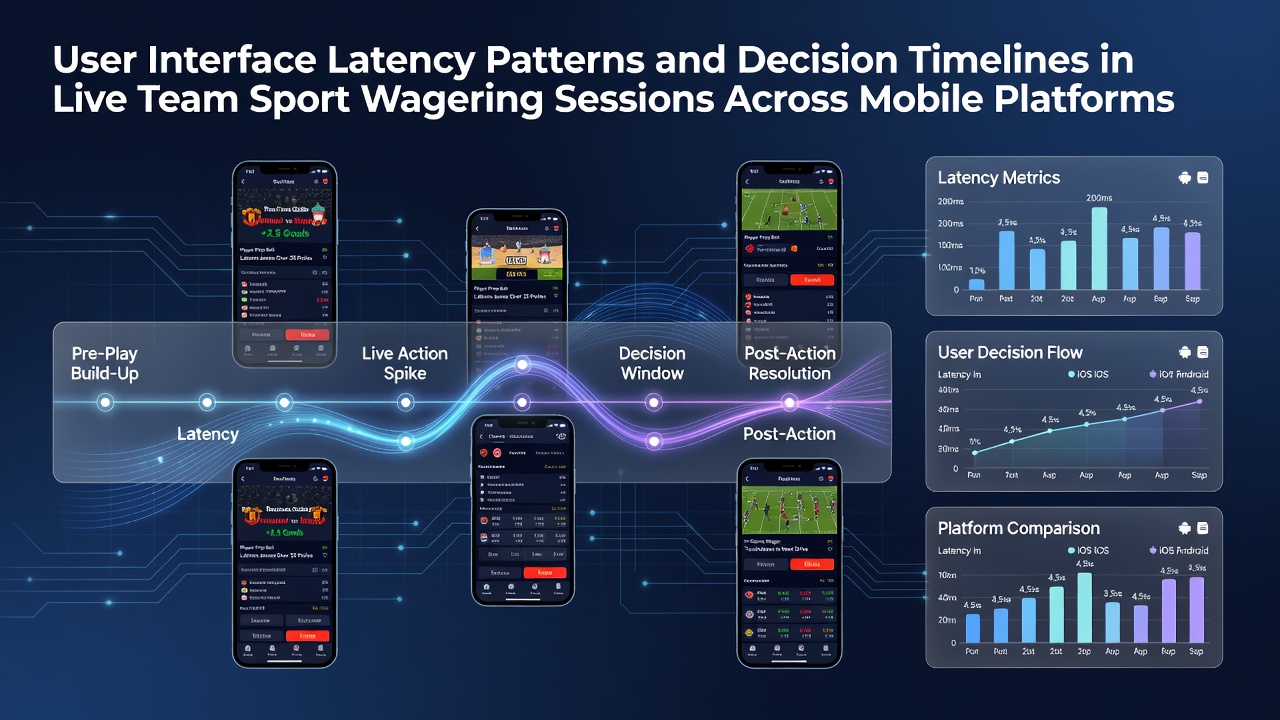
Live team sport wagering on mobile platforms involves rapid data exchanges between apps and servers, where interface latency directly affects how users process odds and place bets during ongoing matches. Researchers have documented consistent patterns in response delays across major operating systems, with average round-trip times ranging from 120 to 450 milliseconds depending on network conditions and app architecture. These delays become particularly noticeable during high-volume periods such as halftime adjustments in basketball or injury stoppages in soccer, when multiple users interact with updating scoreboards and betting markets simultaneously.
Core Components of Interface Latency
Latency arises from several interconnected sources including rendering pipelines for dynamic odds displays, synchronization routines that pull live event data, and touch-response handling within the app framework. Studies conducted by academic institutions indicate that Android devices often exhibit 15 to 30 percent higher input lag compared with equivalent iOS hardware during peak event windows, primarily due to differences in garbage collection and background process management. Observers note that these variations compound when users switch between multiple betting markets within a single session, creating cumulative delays that extend decision windows beyond the intended real-time parameters.
Impact on User Decision Windows
Decision timelines in live team sport sessions typically compress to under eight seconds when odds shift in response to on-field developments, yet latency can stretch effective response periods by 20 to 40 percent according to aggregated session logs analyzed in 2026. Data from platform telemetry reveals that users who encounter delays exceeding 300 milliseconds frequently abandon in-progress bets or select less optimal selections because updated information arrives after the initial cognitive commitment. Those who have examined large-scale mobile wagering datasets find that basketball and American football sessions produce the shortest average decision intervals, whereas baseball and hockey maintain longer windows due to slower game pacing and fewer simultaneous market updates.
Platform-Specific Patterns Observed in 2026
Cross-platform comparisons completed during the first half of 2026 highlight measurable differences in how iOS and Android handle live data streams for team events. iOS applications tend to maintain steadier frame rates during rapid score changes, while Android versions show greater variability tied to device fragmentation and carrier network optimizations. Figures released in July 2026 from industry monitoring groups show that 5G adoption has reduced baseline latency by roughly 35 percent in urban markets, although rural connections continue to experience spikes during nationally televised games when traffic surges occur. Experts tracking these metrics emphasize that app developers have implemented predictive caching techniques to preload likely market states, which partially offsets network variability but introduces occasional desynchronization when actual event outcomes diverge from cached assumptions.
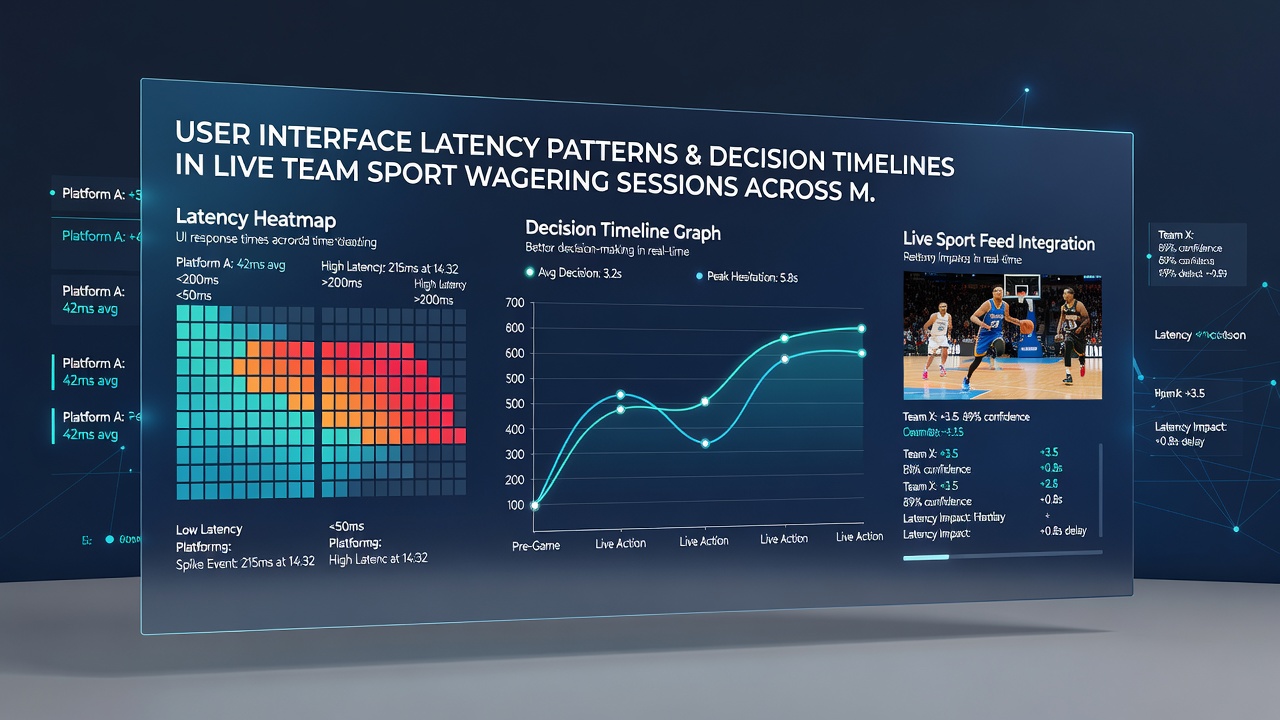
Additional factors include battery optimization modes that throttle background data refreshes on both operating systems, creating further inconsistencies for users who keep multiple apps active. Research indicates that these throttling behaviors become more pronounced after 45 minutes of continuous session activity, aligning with typical durations of team sport halves or quarters.
Integration of External Data Sources and Synchronization Challenges
Live team sport wagering interfaces rely on feeds from official league data providers, and any mismatch between these feeds and the mobile rendering layer produces visible latency spikes. A report from the Responsible Gambling Council in Canada documented that synchronization errors peak during multi-game parlays involving simultaneous events, where one match update triggers cascading recalculations across linked markets. Those analyzing session recordings observe that users adapt by developing preemptive betting habits, placing selections slightly earlier than ideal to compensate for known platform delays. Such adaptations appear more frequently on devices with older chipsets, where processing overhead adds another 50 to 80 milliseconds to each interaction.
Regulatory updates in several jurisdictions during mid-2026 have prompted operators to publish latency benchmarks as part of transparency requirements, allowing third-party auditors to verify compliance with minimum performance thresholds. These benchmarks typically specify maximum acceptable delays for core functions such as odds refresh and bet confirmation, measured under standardized network conditions.
Conclusion
Latency patterns in mobile live team sport wagering continue to evolve alongside hardware improvements and network infrastructure changes, with decision timelines remaining sensitive to even modest increases in response time. Continued monitoring through 2026 and beyond will determine how effectively new optimization strategies mitigate these effects across diverse device populations and event types. Australian gambling research summaries provide one ongoing reference point for tracking regional differences in observed performance metrics.