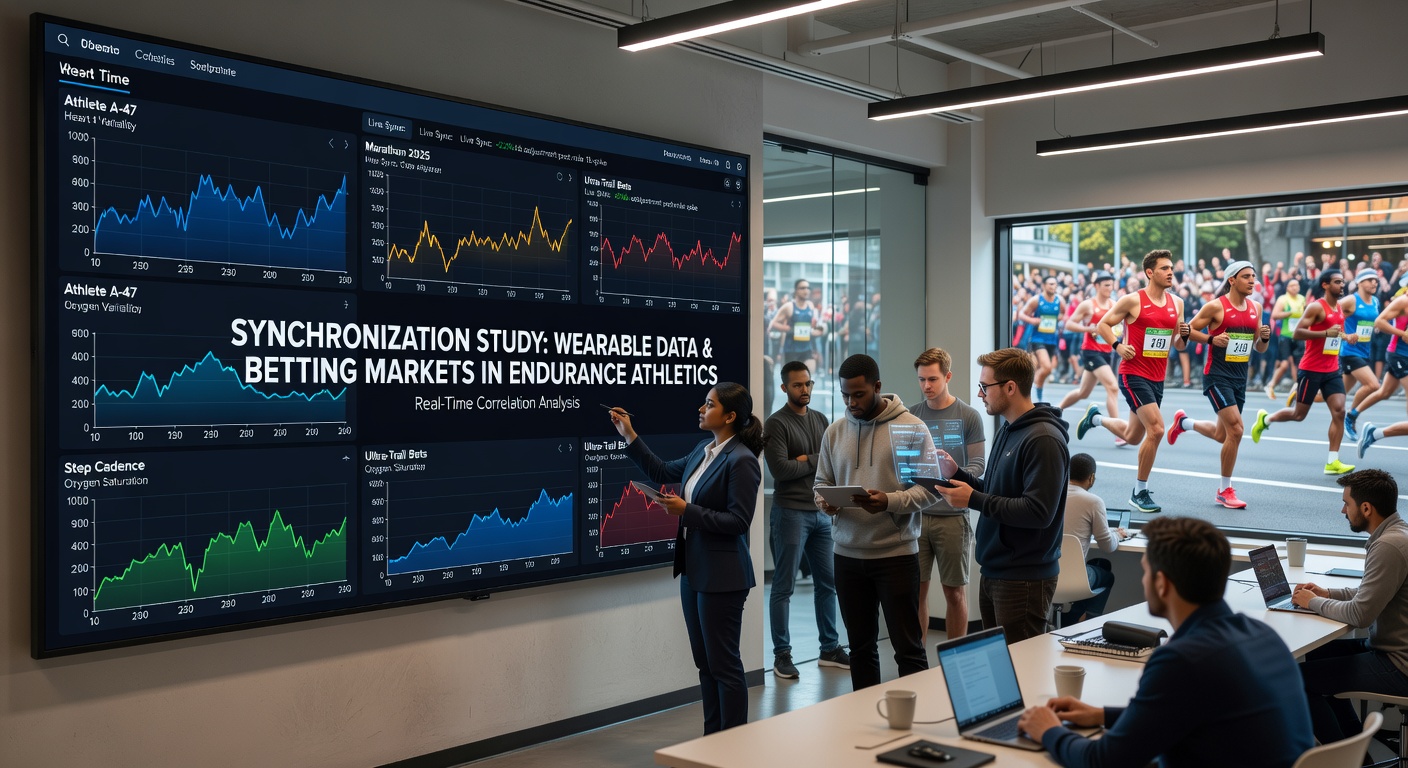
Investigating Synchronization Between Wearable Tech Data and Betting Market Responses in Endurance Sports
Endurance sports such as marathons, triathlons, and long-distance cycling events have seen wearable technology integrate deeply into both athlete monitoring and live betting environments, and researchers continue to examine how data streams from devices like heart rate monitors and GPS trackers align with shifts in betting odds across major platforms. Data from events in early 2026 shows that real-time biometric feeds often reach betting markets within seconds of collection, yet synchronization gaps persist depending on the sport and the data provider involved.
Wearable Technology in Endurance Events
Devices from manufacturers including Garmin and Polar capture metrics such as heart rate variability, power output, pace, and elevation changes during races that stretch across multiple hours, while athletes competing in Ironman-distance events rely on these tools to adjust effort levels on the fly. Observers note that when an athlete's heart rate spikes unexpectedly during the bike leg of a triathlon, the information can influence live odds if it reaches analysts or algorithms monitoring the event. Studies conducted by sports science teams at institutions in Australia have tracked how these data points correlate with performance outcomes, revealing patterns where consistent power readings above threshold levels predict stronger finishes in the final running segment.
Event organizers have begun embedding standardized data protocols that allow third-party access to anonymized feeds, and this setup has created opportunities for betting operators to incorporate live inputs into their models. In May 2026 several European races piloted enhanced data-sharing agreements that reduced latency between device readings and market updates, according to reports from the European Gaming and Betting Association. Those who've analyzed the feeds point out that synchronization improves when races occur in regions with robust 5G coverage, whereas remote course sections still introduce delays of up to 30 seconds.
Betting Market Dynamics and Data Integration
Betting exchanges and sportsbooks adjust odds on endurance events using algorithms that weigh multiple variables, and wearable data now ranks among the faster-updating inputs compared with traditional sources like split times alone. When a cyclist's cadence drops sharply in a Grand Tour stage, markets have responded by shifting favorites within minutes, particularly in in-play wagering formats that allow continuous position adjustments. Figures from the Nevada Gaming Control Board indicate that handle on endurance sports grew 18 percent year-over-year through the first quarter of 2026, with a notable portion attributed to live markets that incorporate biometric streams.
What's interesting is how certain platforms filter raw device data through proprietary models before it influences odds, and this filtering step can either tighten or loosen the observed synchronization. One study revealed that triathlon markets adjusted more rapidly to heart rate anomalies than marathon markets, likely because the multi-discipline format generates more frequent data checkpoints. Researchers at Canadian universities have documented cases where a sudden elevation in core temperature readings preceded measurable odds movements by several minutes, suggesting early-warning value in the biometric signals.
Examining Synchronization Patterns
Analyses of 2025 and 2026 race seasons show that synchronization between wearable outputs and betting responses varies by metric type, with GPS-derived pace data achieving tighter alignment than heart rate variability readings. In long-distance cycling, where power meter data transmits directly to support vehicles and broadcast teams, markets have demonstrated responses within eight to twelve seconds of a significant wattage drop. Marathon events, by contrast, often rely on periodic timing mats that create natural bottlenecks, and this structure produces slower incorporation of any supplementary wearable information.
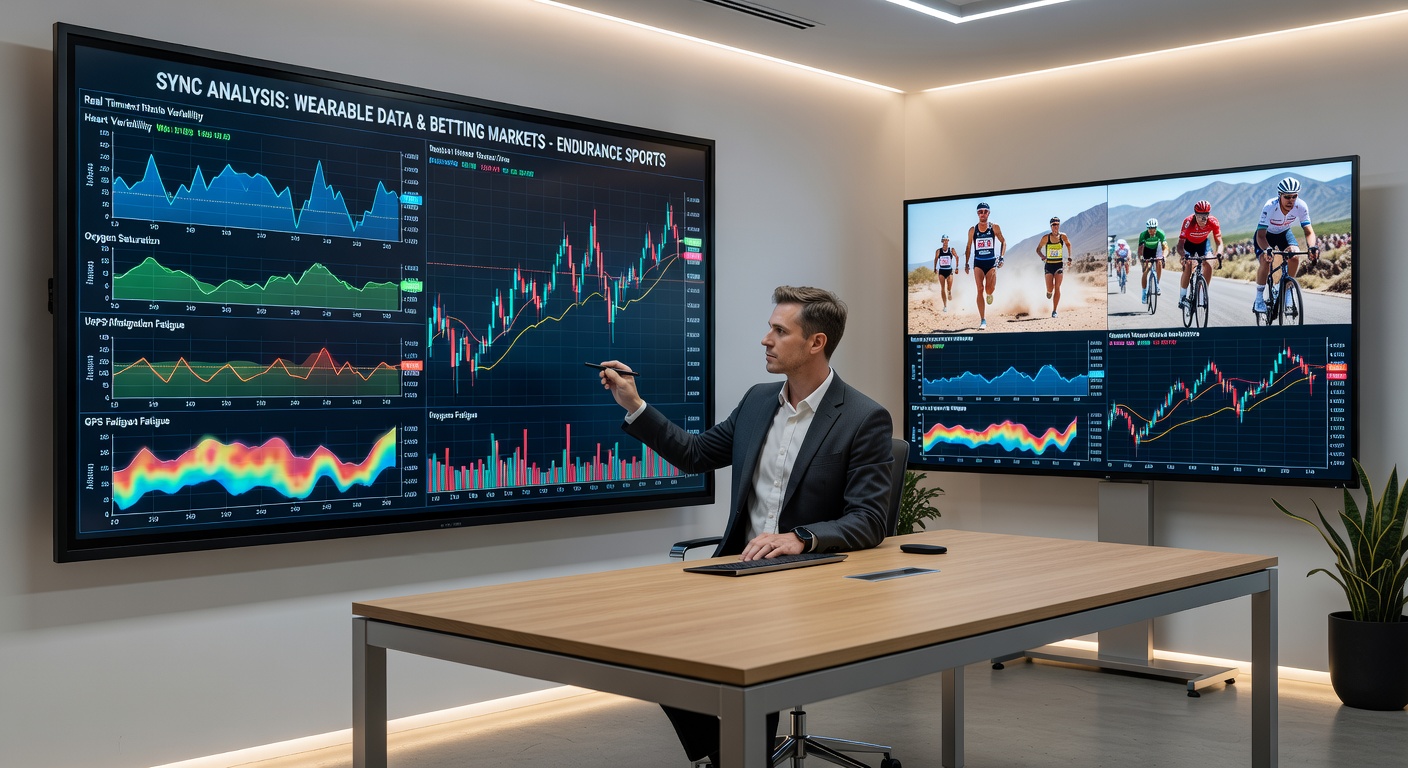
Turns out the strongest correlations appear during the final 20 percent of races, when fatigue metrics become more predictive and markets grow more sensitive to small changes. Data collected across multiple Ironman events indicates that athletes whose heart rate recovery between segments falls outside expected ranges trigger earlier odds adjustments than those whose readings stay within historical norms. External factors such as weather also interact with these patterns, since heat and humidity readings from environmental sensors can amplify the perceived importance of an athlete's internal temperature data.
Challenges in Data Accuracy and Market Response
Device calibration issues and signal dropouts continue to affect how reliably wearable information reaches betting systems, and operators have implemented verification layers that sometimes slow synchronization deliberately. When multiple athletes transmit conflicting readings near the same checkpoint, markets tend to widen spreads temporarily until consensus emerges. Reports compiled by the Australian Sports Commission highlight that standardization efforts across device brands have improved consistency, yet legacy equipment used by some age-group competitors still introduces noise into aggregated datasets.
Regulatory frameworks in various jurisdictions require operators to maintain audit trails for any automated odds changes tied to third-party data, and these requirements have prompted the development of timestamped logging systems that make synchronization gaps measurable. In regions where live betting on endurance sports remains restricted, the same data streams feed into prediction markets and fantasy platforms instead, creating parallel testing grounds for synchronization models.
Future Directions and Research Outlook
Academic teams continue to explore machine learning approaches that could predict market reactions based on historical wearable data patterns, and early results suggest potential for narrowing the remaining latency windows. Collaboration between technology providers and betting analytics firms has produced pilot programs that stream encrypted biometric summaries directly into approved trading engines, reducing reliance on manual interpretation. Those monitoring the space expect further refinement as 6G networks roll out and as endurance federations adopt unified data standards.
Conclusion
The interplay between wearable tech outputs and betting market movements in endurance sports reflects ongoing advances in both data transmission and algorithmic processing, with measurable improvements in synchronization documented through 2026. Continued examination of these connections will likely depend on expanded access to verified datasets and on the evolution of regulatory approaches across different markets. As device capabilities expand and event coverage increases, the precision of these alignments stands to become a defining feature of live wagering on long-format competitions.