How Biometric Tracking Tools Alter Risk Assessment Models in Endurance Event Markets
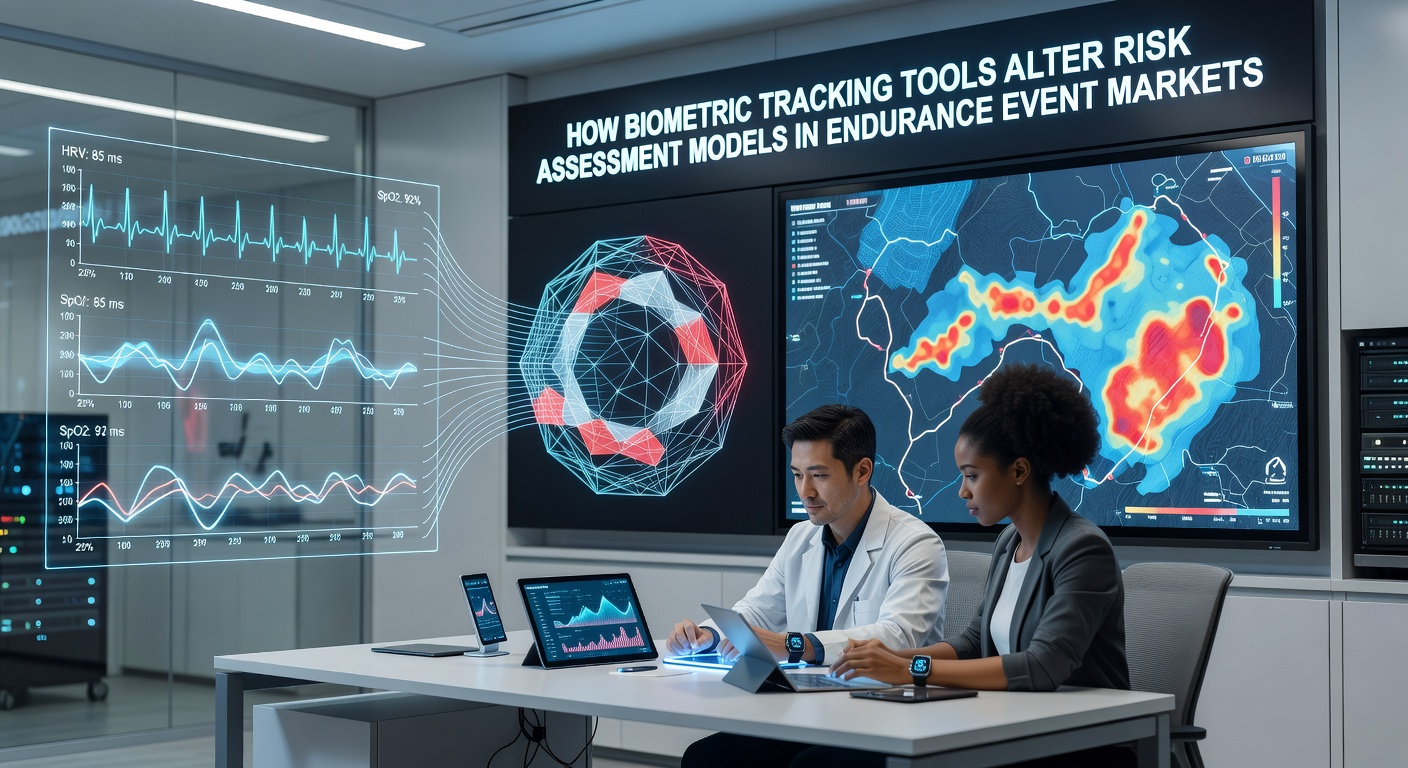
Biometric tracking tools have entered endurance event markets through devices that monitor heart rate variability, oxygen saturation, stride patterns, and core temperature in real time, and operators now feed these streams directly into pricing engines that recalibrate odds during races like Ironman competitions or ultra-marathons. Data from chest straps and smartwatches syncs with betting platforms, allowing models to adjust implied probabilities for outcomes such as finishing times or withdrawal risks based on live physiological signals rather than historical averages alone.
Integration of Wearable Data Streams
Platforms integrate biometric feeds by partnering with device manufacturers and race organizers, so that heart rate spikes above 180 beats per minute during the cycling leg of a triathlon trigger automatic reassessment of an athlete's sustainability over remaining segments. Observers note that these inputs supplement traditional variables like elevation profiles and weather conditions, creating layered algorithms that respond within seconds to physiological changes captured at 1 Hz intervals. Research indicates that synchronization between GPS-derived pace data and cardiac metrics improves the granularity of risk calculations, particularly in events spanning multiple hours where cumulative fatigue becomes measurable through declining heart rate recovery rates.
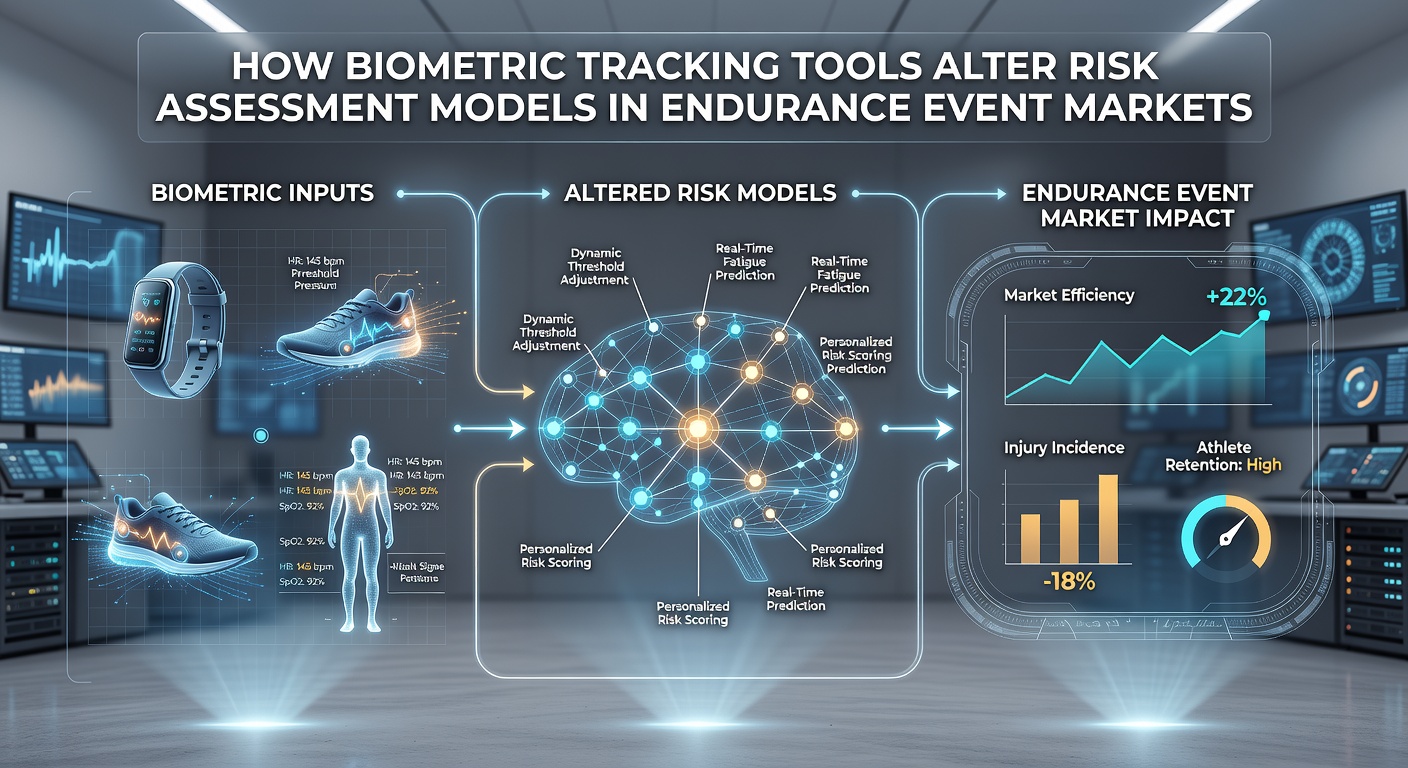
Operators apply machine learning layers that compare an individual competitor's current biometric profile against aggregated datasets from prior performances, and deviations such as elevated lactate thresholds inferred from breathing patterns prompt shifts in market liquidity. This process operates continuously because endurance markets often remain open until the final finisher crosses the line, unlike shorter contests where betting windows close earlier.
Changes to Traditional Risk Models
Traditional risk assessment relied on static factors including past race results, training logs published by athletes, and environmental forecasts, yet biometric overlays introduce dynamic variables that capture intra-event fluctuations. Models now incorporate thresholds where sustained heart rates above anaerobic thresholds correlate with higher withdrawal probabilities, allowing bookmakers to widen spreads on underdogs whose metrics suggest impending collapse. Figures from event organizers reveal that real-time data reduces the lag between observable performance decline and market adjustment from minutes to milliseconds in some implementations.
Market Responses in June 2026 Events
During June 2026 endurance competitions, several major platforms reported increased volatility in in-race wagers on finishing positions after biometric dashboards became publicly viewable through event apps. One study revealed that synchronization between wearable outputs and order book depth led to sharper price movements when athletes displayed irregular recovery patterns during aid station stops. Market makers adjusted reserve requirements upward because biometric signals occasionally produced false positives from temporary sensor glitches, yet overall hold percentages stabilized as models incorporated confidence intervals around each data point.
Regulatory and Data Considerations
Regulators in multiple jurisdictions examine how biometric data flows intersect with responsible gambling obligations, and authorities in Australia have begun requiring operators to disclose when physiological metrics influence market movements. A report issued by the Australian Communications and Media Authority outlines standards for consent management when athletes' wearable information indirectly affects third-party betting products. In parallel, the European Gaming and Betting Association has published guidelines that address data minimization practices, urging platforms to retain only aggregated signals rather than identifiable individual readings after events conclude.
Those who've studied these systems observe that cross-border data transfers raise questions about athlete privacy because GPS and heart rate logs can reveal training locations and medical conditions when combined with public race results. Compliance teams therefore segment biometric inputs into anonymized buckets before feeding them into risk engines, preserving utility for pricing while limiting exposure under emerging data protection frameworks.
Case Examples from Recent Seasons
Take one Ironman event in 2025 where an athlete's sudden drop in power output detected via connected power meter prompted immediate repricing of outright winner markets, and similar patterns repeated across cycling grand tours where stage contenders wore mandated biometric vests. Observers note that these adjustments occurred before visible slowing appeared on broadcast footage, giving markets earlier signals of potential non-finishes. Data shows that withdrawal markets in ultra-distance running events experienced tighter spreads once operators calibrated models against biometric baselines established in training camps.
Conclusion
Biometric tracking continues to reshape endurance betting by supplying continuous physiological context that static models previously lacked, and platforms refine their engines through iterative testing against historical race archives augmented with sensor logs. Industry participants track adoption rates across continents while regulatory bodies refine oversight frameworks to balance innovation with participant protections. As device accuracy improves and more events mandate standardized data protocols, risk assessment models will incorporate additional metrics such as sleep quality aggregates and hydration estimates derived from sweat analysis, extending the reach of real-time adjustments further into pre-event and post-event wagering windows.