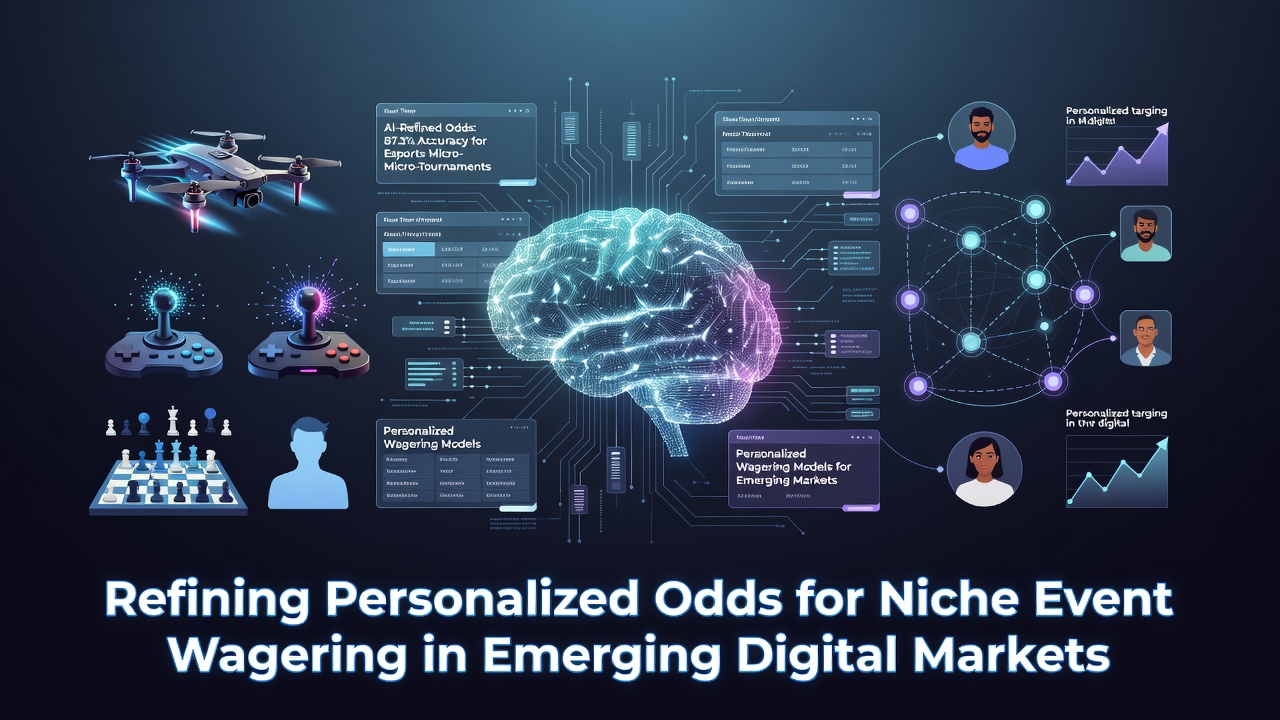
How Artificial Intelligence Algorithms Are Refining Personalized Odds for Niche Event Wagering in Emerging Digital Markets
Artificial intelligence algorithms now process vast datasets from user behavior, historical outcomes, and real-time market signals to generate personalized odds for niche events such as virtual motorsports, esports tournaments, and specialized prediction contracts in emerging digital platforms. These systems analyze individual betting histories alongside broader statistical models, adjusting probabilities for specific wagers that traditional methods often overlook due to limited sample sizes in lesser-known markets.
The Expansion of Niche Event Wagering
Digital platforms in regions including Southeast Asia, Latin America, and parts of Eastern Europe have recorded steady growth in niche event wagering since 2024, with operators reporting increased transaction volumes for categories like drone racing outcomes and fantasy athlete performance metrics. Data from industry reports show that these segments attract users seeking alternatives to mainstream sports betting, where AI tools identify micro-patterns in participant performance that influence line adjustments within seconds of new information becoming available. Emerging markets benefit from mobile-first infrastructure that captures granular user interactions, allowing algorithms to refine odds based on factors such as time-of-day preferences and device usage patterns without relying solely on aggregate statistics.
AI Mechanisms Behind Odds Personalization
Machine learning models, particularly reinforcement learning variants, update odds continuously by incorporating feedback loops from previous wagers and external variables including weather data for outdoor virtual simulations or player injury reports in competitive gaming circuits. Researchers at institutions tracking digital gaming trends note that these algorithms segment users into dynamic cohorts according to risk tolerance indicators derived from deposit frequency and stake sizes, then apply Bayesian inference techniques to tailor probability estimates that reflect both individual history and collective market sentiment. In June 2026, several platforms in Brazil and Indonesia integrated neural network architectures capable of processing multilingual social media signals, which refined odds for niche political prediction events by cross-referencing sentiment scores with verified polling data from government statistical agencies.
Integration in Emerging Digital Markets
Operators in these markets deploy AI systems that synchronize with local regulatory frameworks, such as those outlined by the National Council for Problem Gambling in Singapore, to ensure compliance while delivering customized experiences. Algorithms factor in regional economic indicators alongside user location data to modulate odds volatility, creating scenarios where participants in high-growth economies receive lines adjusted for currency fluctuation risks that differ from those offered in more stable markets. Observers note that this approach expands access to events previously considered too obscure for standard bookmaking, including amateur drone league results and regional eSports qualifiers, because AI reduces the computational cost of maintaining accurate probabilities across thousands of simultaneous micro-markets.
Technical Processes and Data Inputs
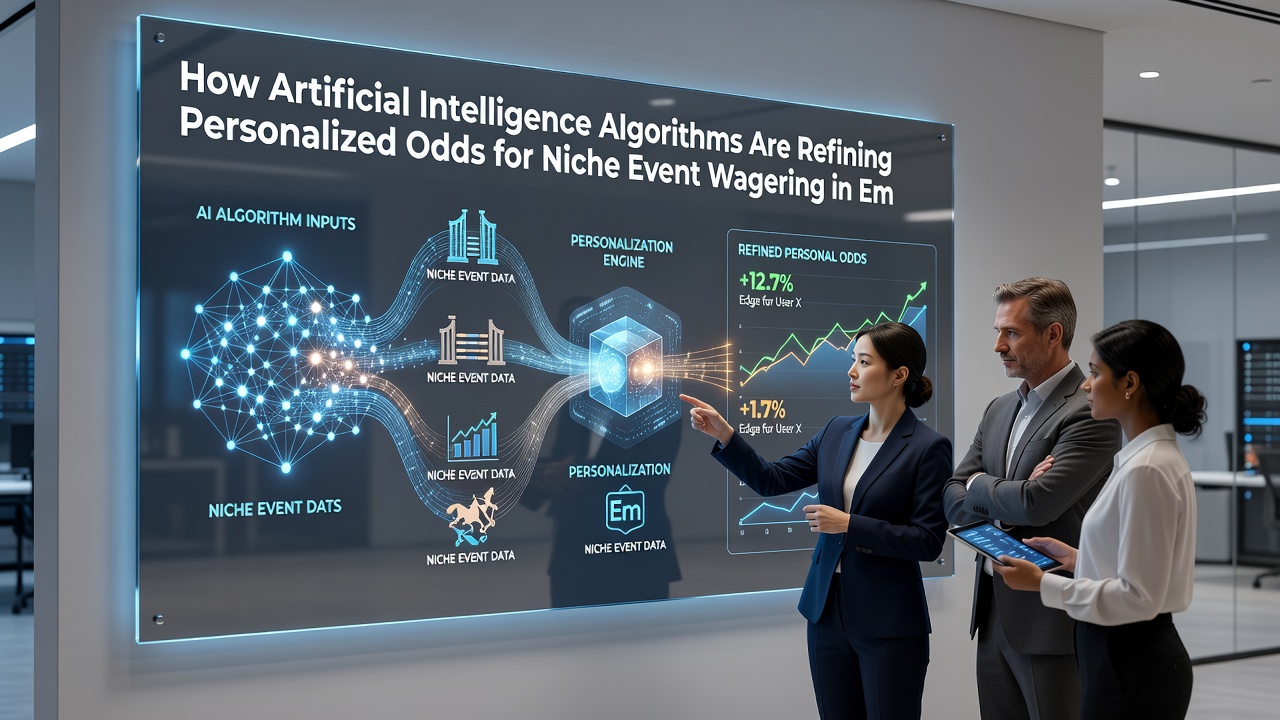
Personalization begins with feature extraction from anonymized transaction logs, where models identify correlations between past selections and external events such as live stream viewership spikes or social media engagement metrics. Natural language processing components scan public forums and news feeds to detect emerging narratives around niche participants, feeding these insights into ensemble models that combine gradient boosting with deep learning layers for final probability outputs. According to findings published by the University of Nevada, Reno gaming research group, such hybrid architectures achieve measurable improvements in prediction accuracy for low-volume events compared with static odds tables, particularly when datasets incorporate real-time inputs from wearable device telemetry in endurance-based virtual competitions. Platforms operating in these spaces often maintain separate training pipelines for each geographic cluster to account for cultural differences in betting timing and event popularity.
Regulatory and Operational Considerations
Regulatory bodies in multiple jurisdictions require operators to document algorithmic decision-making processes, prompting developers to incorporate explainability modules that trace how specific data points influence individualized odds. In June 2026, updates to digital market licensing in select Latin American countries emphasized transparency standards for AI-driven wagering tools, aligning with broader efforts by the International Association of Gaming Regulators to standardize reporting on model performance across borders. These requirements have led to increased collaboration between technology providers and compliance teams, resulting in audit trails that record every adjustment made to niche event lines during active trading periods.
Conclusion
Artificial intelligence continues to reshape how operators calculate and present odds for niche events within emerging digital markets by leveraging diverse data streams and adaptive modeling techniques. As these systems evolve alongside expanding platform capabilities, they enable more granular market coverage while meeting operational demands in regions experiencing rapid digital adoption. Continued refinement of these algorithms depends on access to high-quality regional datasets and alignment with evolving regulatory expectations across multiple jurisdictions.