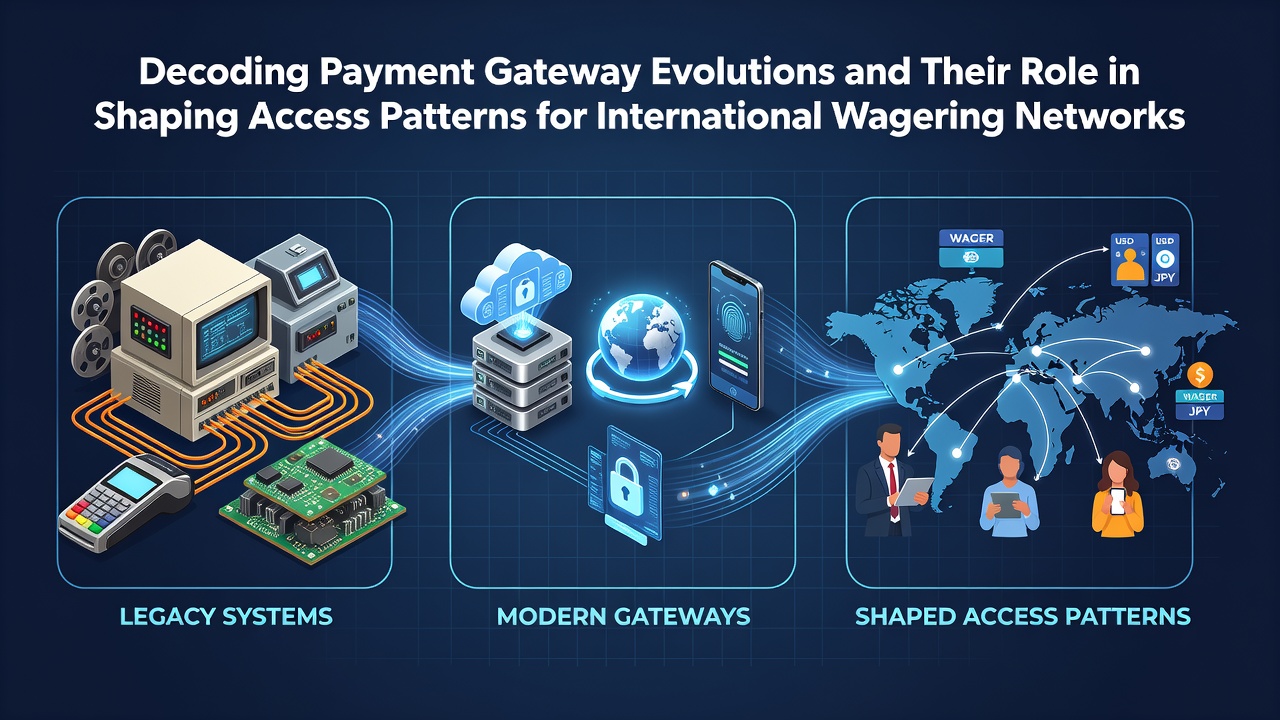
Decoding Payment Gateway Evolutions and Their Role in Shaping Access Patterns for International Wagering Networks
Payment gateways have transformed how international wagering networks process transactions, and their ongoing changes continue to influence where and how users gain access across borders. Data from regulatory filings shows that shifts in these systems often coincide with adjustments in regional participation rates, especially as operators adapt to new compliance standards and technology platforms. In June 2026 several markets reported updated transaction logs that highlight these connections between gateway upgrades and access modifications.
Early Developments in Payment Processing
Traditional bank transfers dominated early international wagering setups, yet they faced limitations in speed and cross-border compatibility. Observers note that many networks relied on wire services and credit card processors during the 2000s, which created bottlenecks when users attempted deposits from regions with strict banking rules. Research indicates that the introduction of dedicated e-wallet services around 2010 reduced average processing times from days to minutes in supported jurisdictions.
Those who've tracked the sector point out that this period also saw the first widespread adoption of prepaid card options, which allowed participants in countries with limited banking infrastructure to connect more reliably. Figures from industry reports reveal gradual increases in transaction volumes as these alternatives expanded reach without requiring direct bank involvement.
Modern Gateway Technologies and Integration
Current systems incorporate application programming interfaces that connect wagering platforms directly to multiple payment providers, and this setup supports real-time verification across currencies. Data shows that operators began rolling out these API-driven models more aggressively after 2018, which coincided with broader availability of mobile-first solutions. In June 2026 transaction monitoring data from several networks indicated that over 60 percent of international deposits used integrated digital methods rather than legacy bank channels.
Blockchain-based processors have entered the mix as well, and they handle settlements through decentralized ledgers that bypass some traditional intermediaries. Studies from financial research groups indicate that these options appear more frequently in regions where conventional gateways face restrictions, which alters the distribution of active accounts over time. Experts have observed that volatility in cryptocurrency values sometimes affects settlement reliability, prompting networks to maintain backup fiat options alongside the newer tools.
Influence on Regional Access Patterns
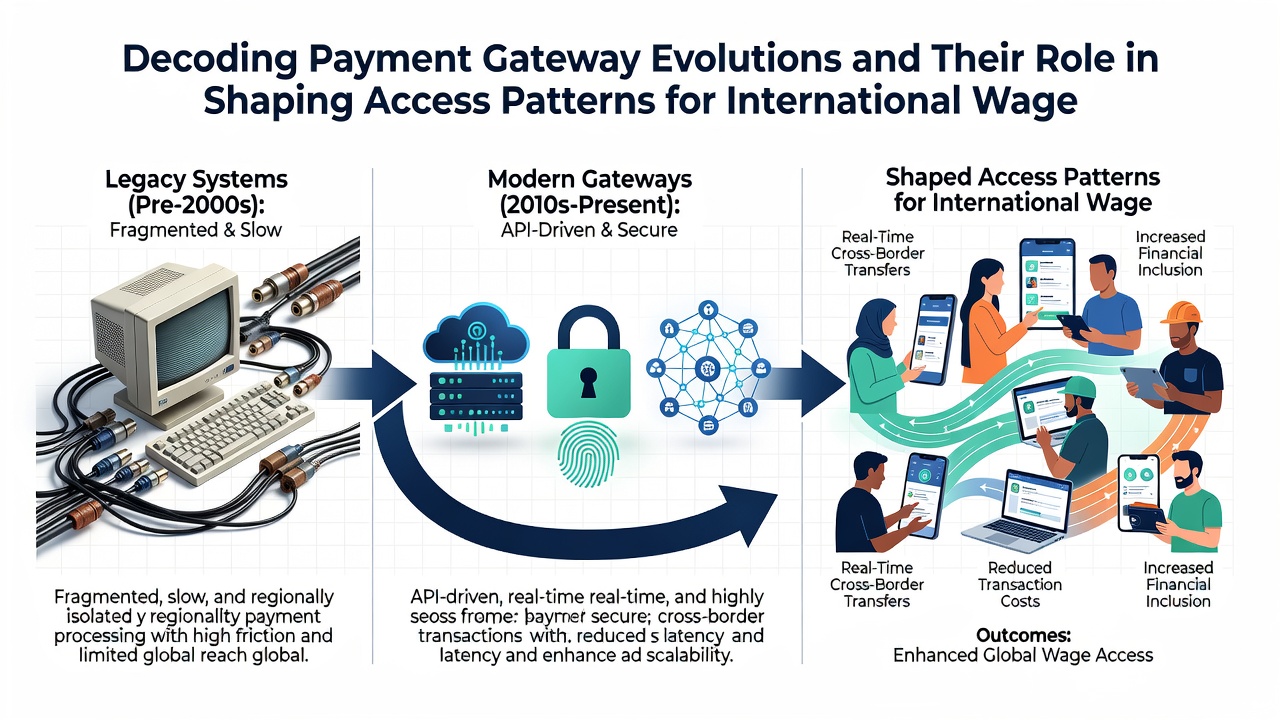
Gateway evolutions directly affect which countries maintain steady connections to international wagering networks, and compliance features built into newer systems often determine eligibility. According to reports from the Australian Transaction Reports and Analysis Centre, enhanced verification protocols introduced in recent years led to measurable shifts in transaction origins, with some markets showing declines while others experienced growth through alternative providers. Those monitoring these trends note that geolocation checks combined with payment authentication now filter access more precisely than earlier methods.
What's interesting is how certain gateways enable temporary access adjustments during regulatory transitions, and this flexibility appears in logs from operators active in multiple continents. Data from the Monetary Authority of Singapore highlights that streamlined cross-border payment rails helped maintain volumes in Southeast Asian networks even as local rules tightened in 2025 and 2026. Researchers discovered that users in these areas increasingly route transactions through hubs that support layered compliance checks, which changes the overall pattern of network participation.
Regulatory Factors Driving Further Changes
Government agencies continue to shape gateway requirements, and their directives often lead operators to adopt new verification layers that influence access speed and availability. A 2026 analysis from the Financial Crimes Enforcement Network in the United States documented how updated anti-money laundering standards prompted several platforms to integrate additional screening tools, which in turn affected deposit success rates from specific regions. Those who've studied the filings note that these measures sometimes redirect traffic toward gateways with stronger compliance histories.
Yet the same reports show that networks in other jurisdictions responded by expanding partnerships with providers already aligned with multiple regulatory frameworks, and this approach helped stabilize access patterns. Industry data reveals that such adaptations occurred at different paces depending on local enforcement timelines, creating varied outcomes across wagering markets.
Conclusion
Payment gateway developments continue to redefine access pathways for international wagering networks through a combination of technological upgrades and regulatory responses. Records from mid-2026 illustrate ongoing adjustments in transaction flows as operators refine their systems, and these patterns suggest further evolution ahead as new tools and oversight measures emerge. The connections between gateway capabilities and regional participation remain central to understanding how these networks operate across borders.