
Annual Sports Fanship Survey Uncovers Surge in Sports Betting Accounts and Alarming Addiction Trends
Rising Participation Paints a New Picture of American Sports Betting
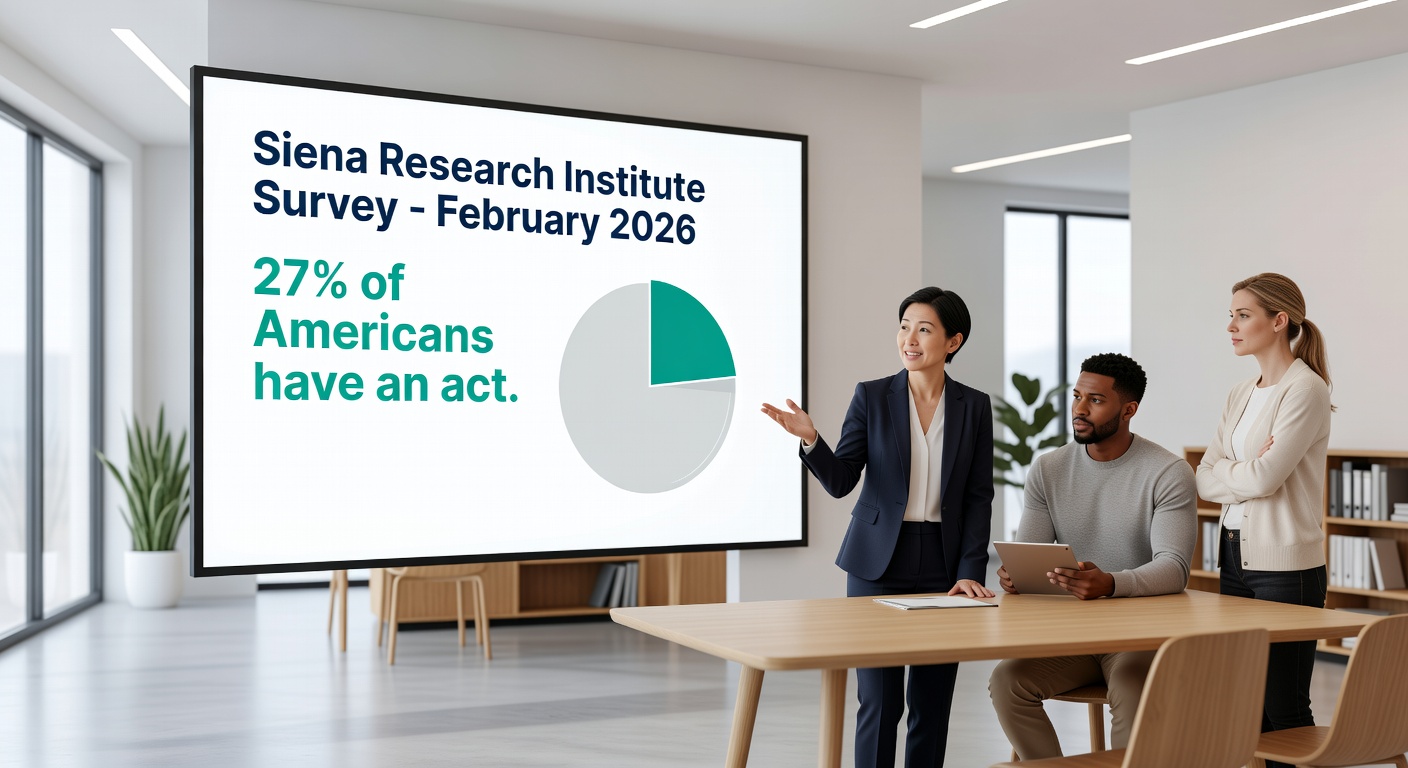
Recent data from the Annual Sports Fanship Survey reveals that 27% of all Americans now maintain an active online sports betting account, a notable increase from 22% in prior years; among men aged 18-49, that figure jumps to 52%, underscoring how this demographic leads the charge in embracing digital wagering platforms. Observers note this uptick aligns with expanded legalization across states, where apps and websites have made placing bets as simple as scrolling through a feed, and while overall participation climbs steadily, the sharp rise among younger men suggests sports betting has woven itself deeper into daily routines for millions.
What's interesting is how these numbers reflect broader accessibility; people who've tracked the industry point out that since the 2018 Supreme Court decision opening the door to state-regulated sportsbooks, account creations have accelerated, turning casual fans into regular bettors who wager on everything from NFL spreads to NBA props. And yet, as April 2026 unfolds with major leagues like MLB in full swing and playoffs looming on the horizon, this survey drops right when betting volumes spike seasonally, offering a timely snapshot of habits that shape fan engagement nationwide.
Take one group of researchers who analyzed similar trends: they found early adopters often start with small stakes on familiar games, but sustained growth like this—up five percentage points overall—signals a market maturing rapidly, where 52% penetration in prime-age men means nearly every other guy in that bracket has skin in the game come game day.
Chasing Losses Emerges as Dominant Behavior Among Bettors
Turning to riskier patterns, the survey indicates 60% of bettors have chased losses in an effort to recoup funds, a behavior that experts describe as a classic hallmark of escalating involvement; this figure stands out because it affects the majority, showing how the thrill of potential turnaround keeps players doubling down even after setbacks. Data shows this isn't isolated—42% report betting beyond their means at times, while 43% experience negative emotions following losses, emotions that range from frustration to deeper regret, and compounding these, 15% of participants have sought out gambling support services, up from 9% in previous polls.
But here's the thing: these trends interconnect in ways that amplify concerns; someone who chases a bad NFL parlay might push limits on the next game, leading to that post-loss funk, and before long, they're browsing help resources amid mounting pressure. People who've studied gambling psychology observe that online formats exacerbate this, with one-tap deposits and instant odds updates making it easier to act on impulses, whereas traditional casino trips imposed natural breaks.
Consider a hypothetical bettor profiled in such studies: after dropping $200 on an underdog upset that fizzles, 60% like them jump back in with bigger stakes hoping to break even, but when that fails—hitting 43% who feel bad afterward—the cycle persists, pushing some toward the 15% seeking aid. It's noteworthy that this support-seeking rise—from 9% to 15%—tracks with overall account growth, hinting at problems scaling alongside popularity.
Public Sentiment Tilts Toward Stricter Oversight and Safeguards
Shifting to broader views, 67% of Americans favor aggressive federal regulation of online sports betting, a strong majority that reflects unease with the current patchwork of state laws; alongside this, 53% support banning sportsbook advertisements during live broadcasts, targeting those ubiquitous promos that flash during timeouts and halftimes. Figures reveal majority backing for legal betting overall, but only with robust safeguards in place, such as spending limits or mandatory cooling-off periods, indicating people want the option without the unchecked risks.
Turns out this opinion data mirrors real-world pushes; advocacy groups have long argued for federal standards to address interstate issues like problem gambling hotlines, and with 67% on board for tougher rules, lawmakers face mounting pressure especially as April 2026 sees congressional hearings on consumer protections amid record betting handles. Observers who've followed polls note the ad ban support at 53% hits close to home—those halftime spots promising bonuses can lure in the 27% with accounts, fueling the 60% chase rate.
One case from prior surveys highlights the divide: states with heavy ad restrictions saw slower problem gambling rises compared to ad-saturated markets, so this 53% call for broadcast bans carries weight, while the 67% regulation push underscores a consensus that legalization succeeded, yet now demands brakes on the accelerator.
Demographic Drivers and What the Numbers Reveal About Habits
Drilling into demographics, men aged 18-49 dominate at 52% account ownership, but the survey's 27% national average pulls in diverse groups, from weekend warriors to daily grinders who bet props on soccer or tennis; this broadens the base, where prior years' lower figures—say 22% overall—gave way as mobile apps refined user experiences with push notifications and live streaming integrations. Researchers discover that this cohort often starts via peer influence at bars or online forums, evolving into active accounts that see weekly action.
And while participation swells, those concerning stats linger: 42% admitting to overextending finances ties directly to easy credit card links on platforms, a feature that's convenient yet perilous; similarly, the 43% post-loss remorse underscores emotional tolls, with some describing it as a hangover without the fun, prompting that 15% uptick in support seekers who turn to apps like Gamblers Anonymous digital tools.
What's significant is the year-over-year climbs—not just accounts from 22% to 27%, but help needs from 9% to 15%—painting a picture of growth laced with caution flags; experts who've parsed the data suggest early intervention could curb escalations, especially as seasonal peaks like NBA playoffs draw in the uninitiated.
Implications for Bettors and the Industry in a Regulated Future
Looking ahead, these findings spotlight where the rubber meets the road for sportsbooks and regulators alike; with 60% chasing losses as the top issue, platforms have rolled out voluntary tools like bet limits and self-exclusion, yet public demand at 67% for federal muscle implies those might not suffice. That said, the 53% ad ban advocacy could reshape broadcasts, forcing leagues to rethink partnerships that pumped billions into revenues but arguably hooked the 52% of young men now betting regularly.
People familiar with the landscape point to states like New Jersey, where early regulations tempered growth pains, offering a blueprint as national eyes turn to Washington; and in April 2026, with DraftKings and FanDuel reporting quarterly surges tied to this 27% base, the survey's timing amplifies calls for balance—keep the legal market thriving, but shield the 43% reeling from losses.
One researcher who reviewed the raw data noted how interconnected behaviors form clusters: chase losses (60%), overspend (42%), regret (43%), seek help (15%), all rising in tandem, so addressing one—like ad curbs—might ripple to others, a domino effect worth watching.
Conclusion
The Annual Sports Fanship Survey lays bare a sports betting landscape transformed—27% of Americans and 52% of men 18-49 hold active accounts, up from prior lows, yet shadowed by 60% chasing losses, 42% betting beyond means, 43% feeling bad afterward, and 15% needing support, trends climbing fast. Public views crystallize support for safeguards, with 67% pushing federal regulation and 53% eyeing ad bans, favoring legal access tempered by protections. As these numbers settle in amid April 2026's betting frenzy, they signal a pivotal moment where participation booms meet pleas for restraint, shaping policies and habits for years ahead.