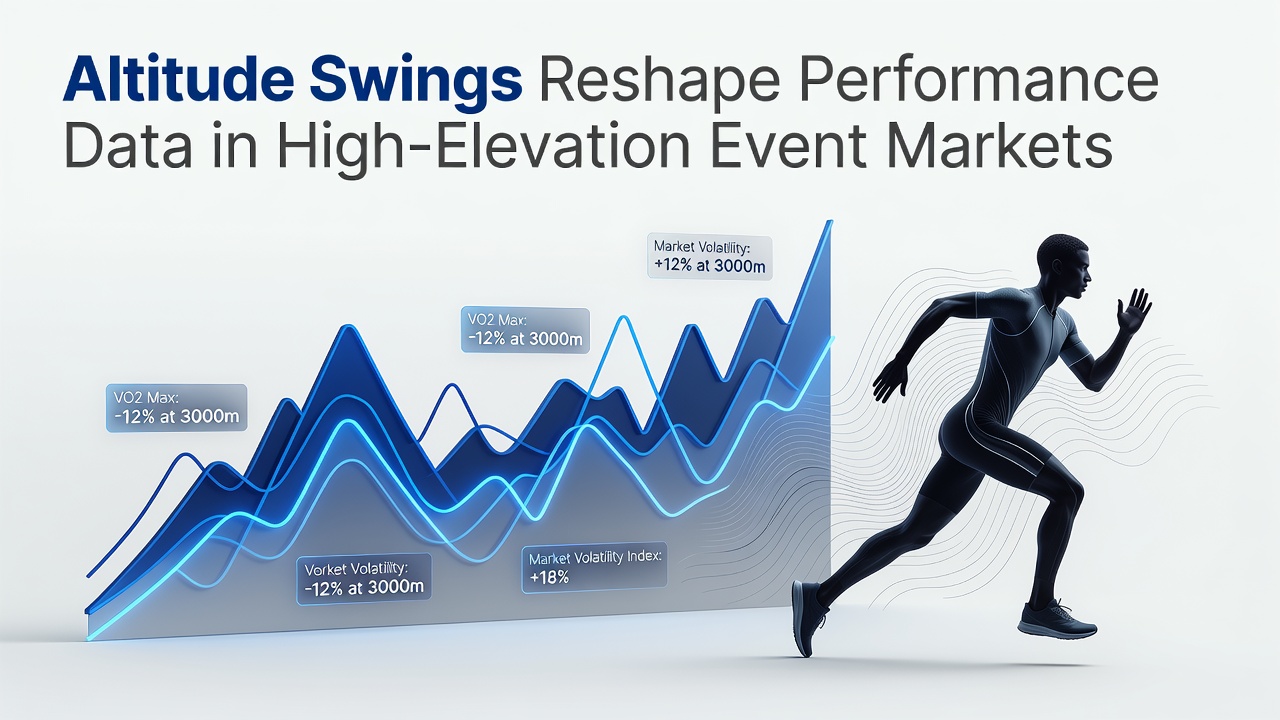
Altitude Variations Drive Shifts in Performance Analytics for Mountain Event Markets
High-elevation events have long presented unique challenges for competitors, yet recent data patterns reveal how altitude swings reshape performance metrics that feed into event markets. Observers note that athletes training at sea level often experience measurable drops in output when ascending to venues above 1,500 meters, while those acclimated to thinner air show steadier results across multiple disciplines. Research from exercise physiology programs indicates oxygen uptake declines by roughly 10 to 15 percent at 2,000 meters, directly influencing timing, endurance, and power output in sports such as cycling, distance running, and skiing competitions.
Physiological Responses to Rapid Elevation Changes
Studies conducted at institutions across North America and Europe document how rapid ascents trigger increased heart rates and reduced aerobic capacity within hours of arrival. Data collected during summer training camps in Colorado and the Swiss Alps show that unacclimated athletes require three to five days for partial adaptation, although full physiological adjustment can extend beyond two weeks. These timelines matter because event schedules in August 2026 include several high-profile mountain stages where competitors arrive from lower elevations with limited recovery windows. Performance databases now incorporate altitude-adjusted models that recalibrate expected times based on historical elevation differentials rather than raw speed alone.
Performance Data Integration in Event Markets
Market operators have begun layering elevation variables into their analytical frameworks, particularly for endurance-based competitions where small margins determine outcomes. Records from past events at venues like Pikes Peak and Mont Ventoux demonstrate consistent patterns of slower average speeds on uphill segments combined with faster descents once athletes regain oxygen efficiency. Analysts adjust projection models accordingly, drawing on meteorological records and barometric pressure readings that correlate with prior race results. One study released by a Canadian sports science consortium found that incorporating real-time altitude data improved accuracy of finish-time forecasts by nearly 18 percent compared with models relying solely on prior season averages.
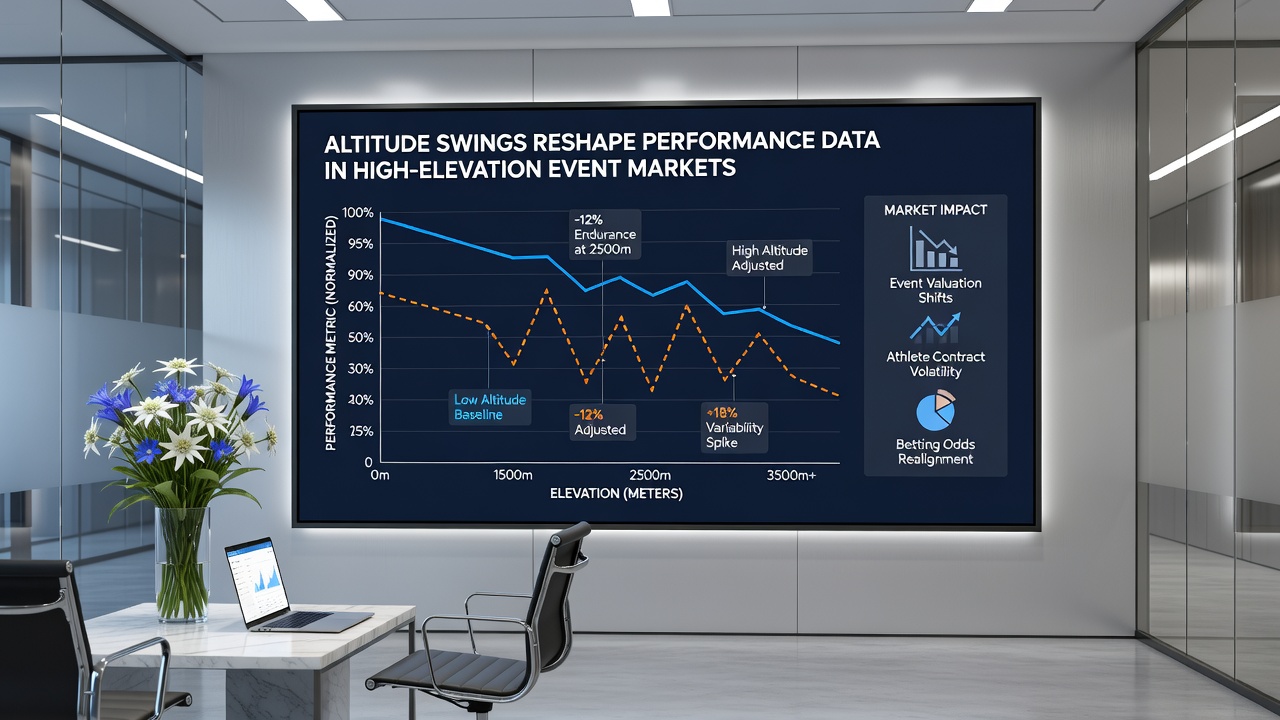
Regional Regulatory Perspectives on Data Transparency
Authorities in multiple jurisdictions have examined how environmental factors influence the integrity of performance statistics used by market participants. The Australian Sports Commission published guidelines in early 2026 encouraging operators to disclose elevation adjustments applied to predictive models, while the European Gaming and Betting Association recommended standardized reporting of venue altitude profiles alongside historical benchmarks. These measures aim to align data practices across borders without restricting access to publicly available environmental records. Figures released by state gaming commissions in the western United States show increased scrutiny of high-elevation event lines during peak summer months when altitude differentials are most pronounced.
Technological Tools Capturing Elevation Effects
Wearable sensors and portable gas analyzers now provide granular readings of oxygen saturation and heart-rate variability during competitions held at varying elevations. Teams competing in August 2026 events have integrated these tools into training regimens, generating datasets that market analysts cross-reference with official timing systems. Software platforms aggregate this information to flag anomalies that may stem from acclimatization differences rather than performance anomalies. Observers point to synchronized data streams from multiple sensors as the emerging standard for validating results in thin-air environments where traditional metrics alone fall short.
Case Examples from Recent Mountain Events
Take one multi-stage cycling race held in the Colorado Rockies during July 2025, where several teams arrived from coastal training bases and posted unexpectedly wide spreads in stage times on the first two high passes. Subsequent analysis attributed roughly 40 percent of the variance to incomplete acclimatization rather than tactical decisions. Similar patterns appeared in trail-running events across the Alps, where finish-line data revealed tighter groupings among locally based athletes compared with international entrants. Market operators responded by refining their internal benchmarks to weight recent elevation exposure more heavily in pre-event projections.
Conclusion
Altitude swings continue to reshape the datasets that underpin performance expectations in high-elevation event markets. As sensor technology advances and regulatory bodies standardize disclosure practices, the integration of elevation-adjusted analytics appears set to expand. Those who track these developments will find that physiological realities at altitude remain central to interpreting results across disciplines and regions.